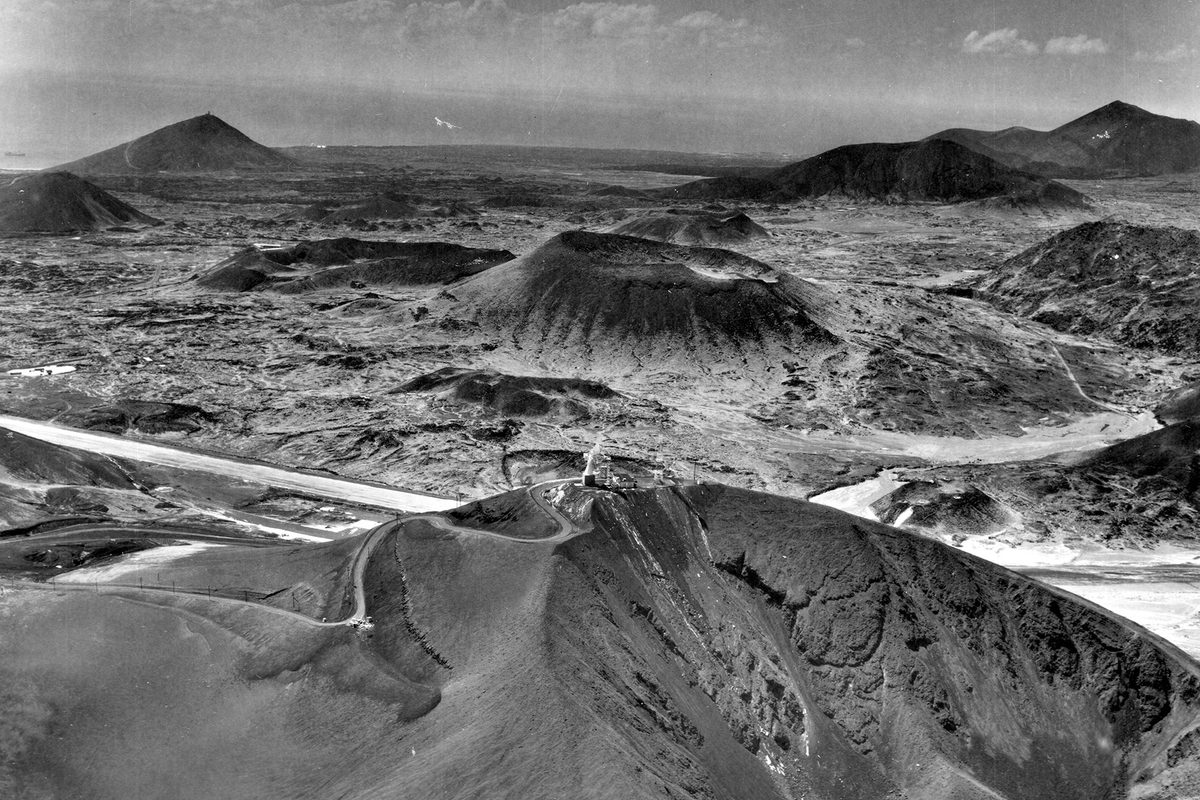
The Mediterranean Allied Photo Reconnaissance Wing in Depth: Robert Potts Donation
The National Collection of Aerial Photography (NCAP) holds many small collections of photography which have been donated by veteran air force personnel or their families. One such collection was donated by the family of Leading Aircraftman (LAC) Robert Potts, who served with the Royal Air Force (RAF) during the Second World War.
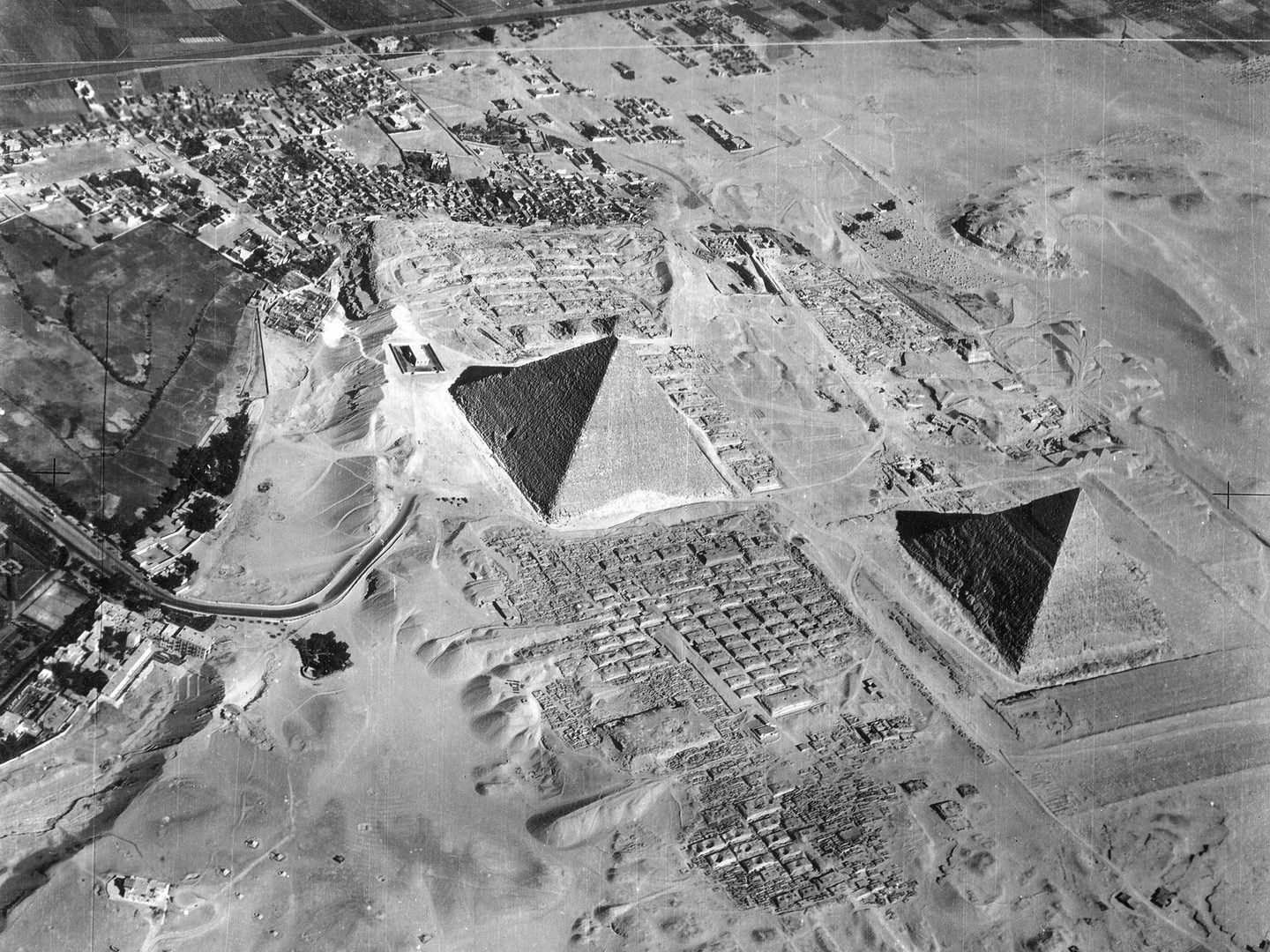
The Pyramids at Giza, Egypt; Collection: POTTS, Frame: 0001
LAC ROBERT POTTS
Robert Potts was a photographer before and after the war, working in Butlins Holiday Parks and the Carborundum Company Ltd. in Manchester. He arrived in North Africa as part of 600 Squadron in December 1942 after serving at several RAF stations in the United Kingdom.
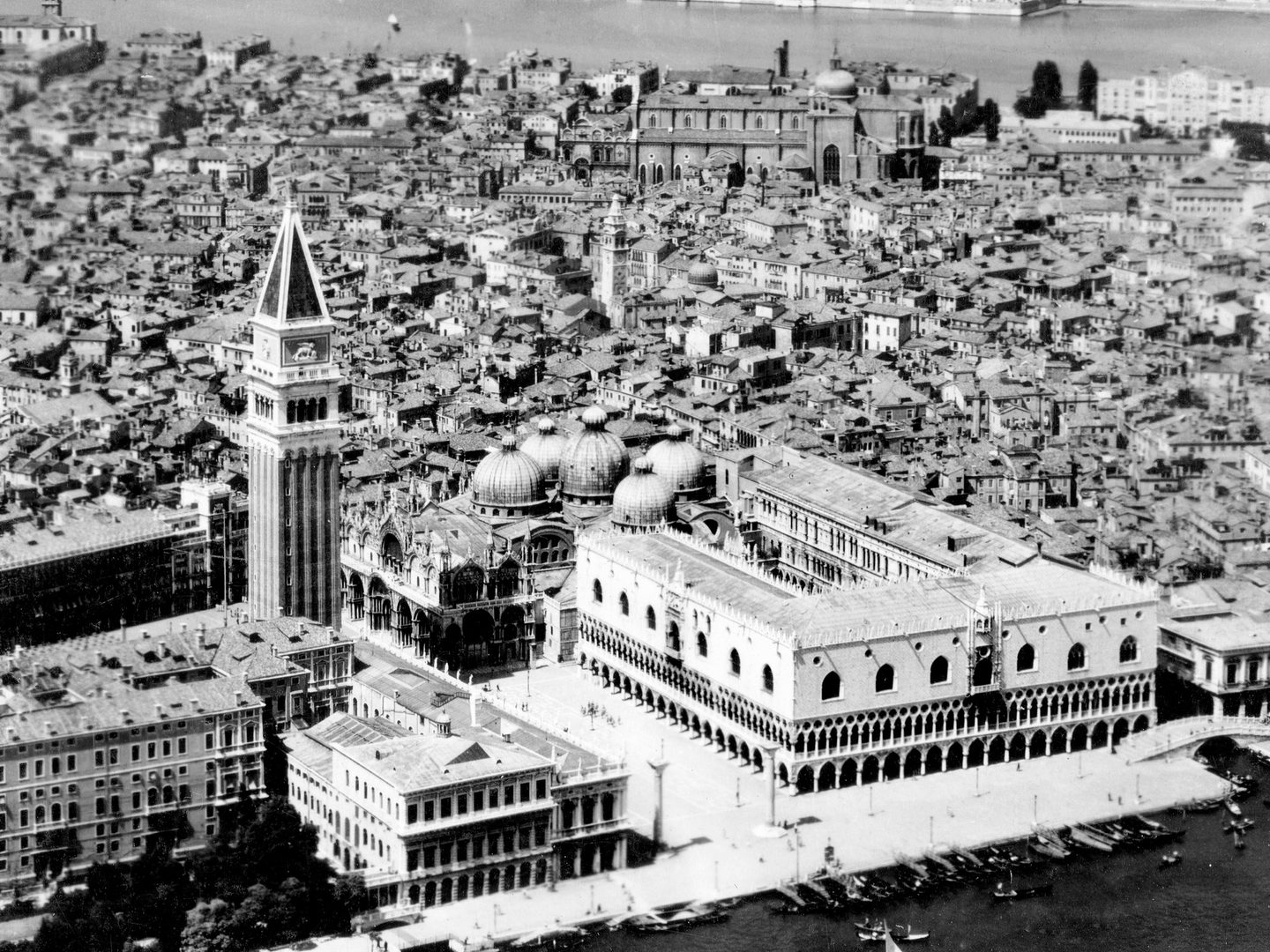
St Mark's Square, Venice; Collection: POTTS, Frame: 0016
He was then assigned to the Northwest African Photographic Reconnaissance Wing (NAPRW), joining 682 Squadron in May 1943. Another former NAPRW airman, John Williams, described how the unit slept in tents at this time, next to the ancient site at Carthage. In those days the ruins were unprotected and Mr Williams said that the airmen would explore the mosaics on their days off.
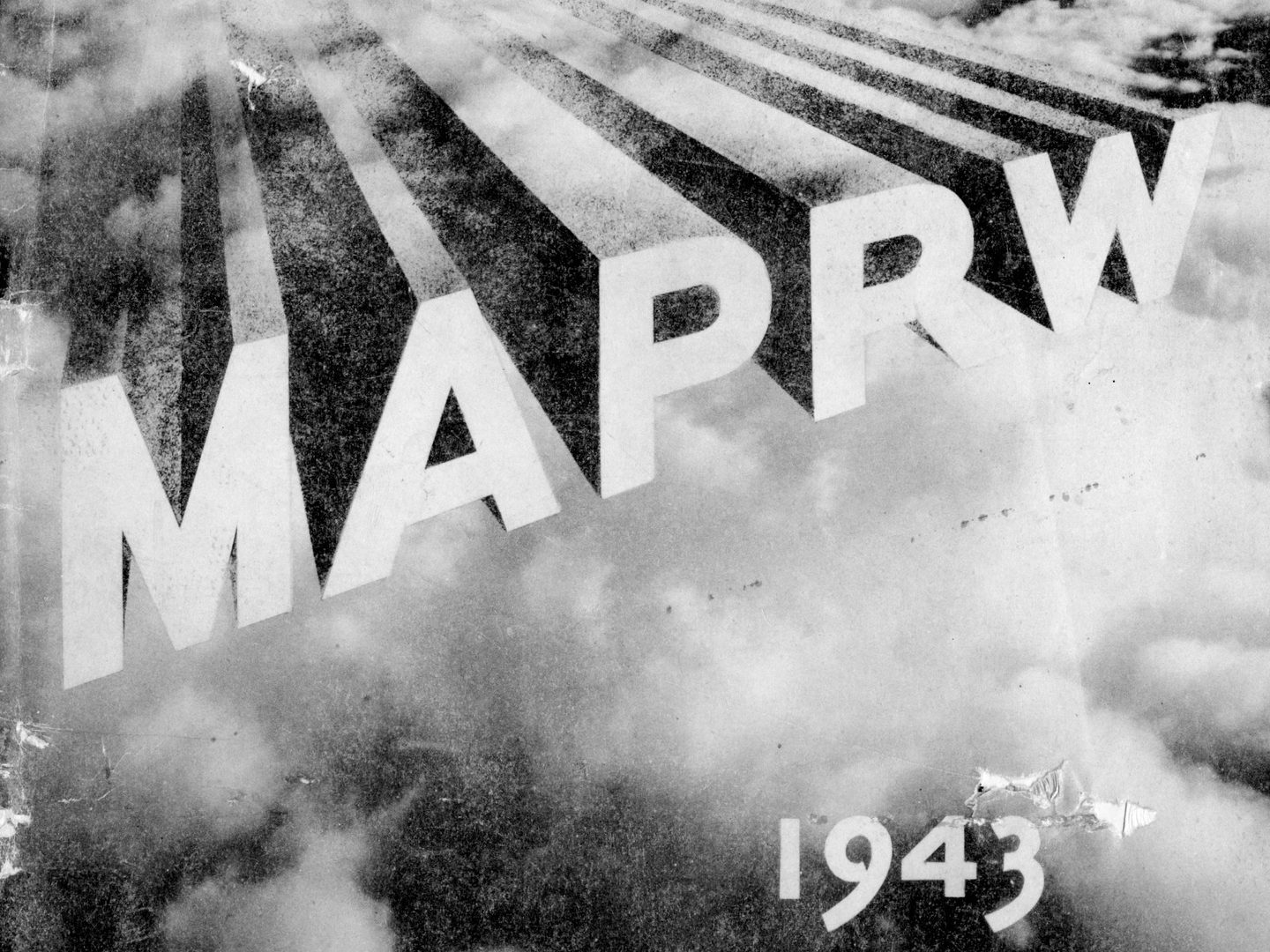
Cover of a pictorial history of the Mediterranean Allied Photo Reconnaissance Wing (1943); Collection: BEER
Following the Allied invasion of Sicily, Operation Husky, and the Allied advance through Italy, the NAPRW moved to San Severo, Italy and became the Mediterranean Allied Photo Reconnaissance Wing (MAPRW).
POTTS COLLECTION
The Potts collection contains some low-level oblique aerial photography of Egypt and Italy, presumably taken by LAC Potts himself. The locations include the Pyramids at Giza, the monastery of Monte Cassino, St Mark’s Square in Venice and St Peter’s Basilica, the Colosseum and Castel Sant’ Angelo in Rome.
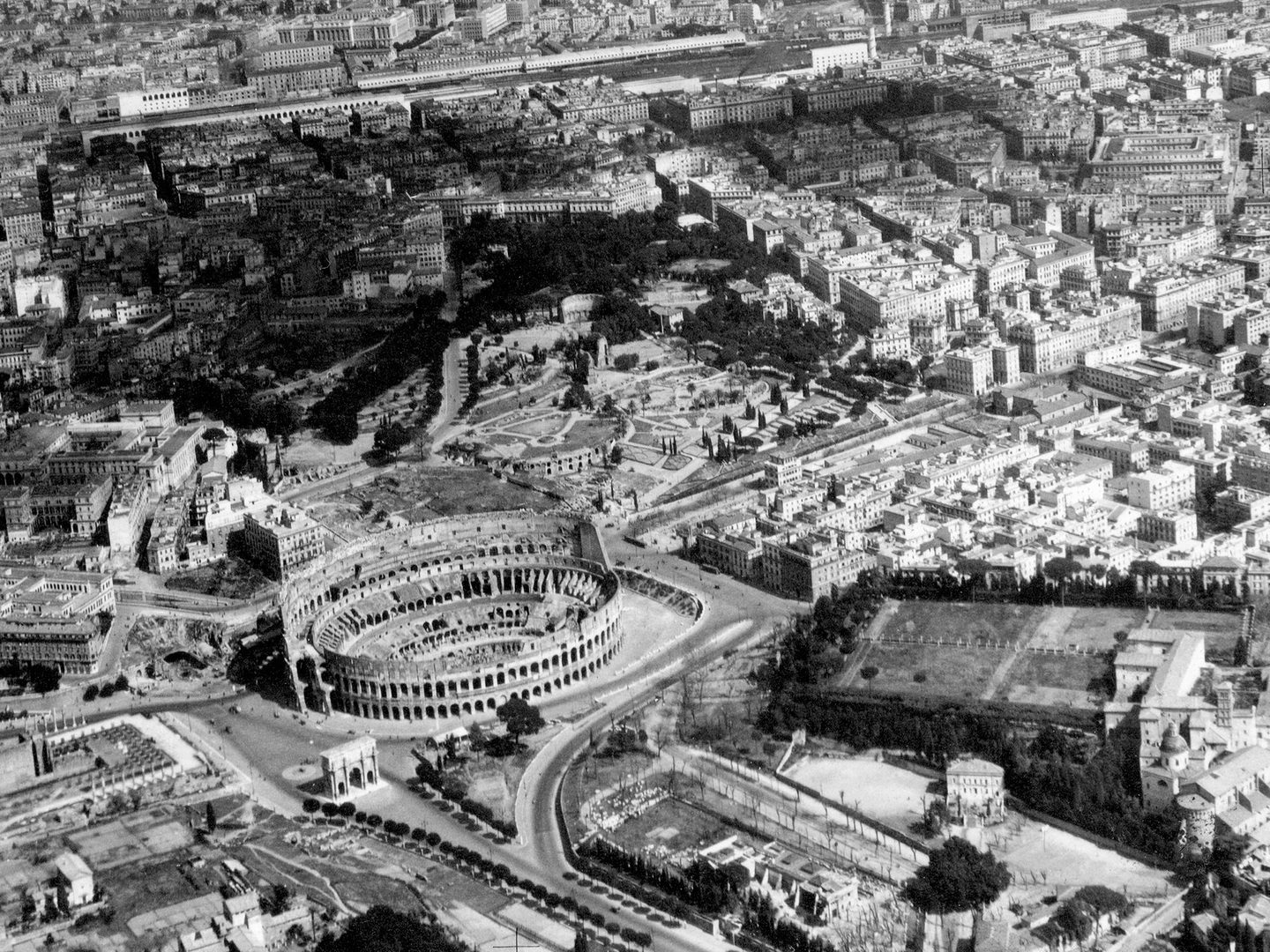
The Colosseum, Rome; Collection: POTTS, Frame: 0011
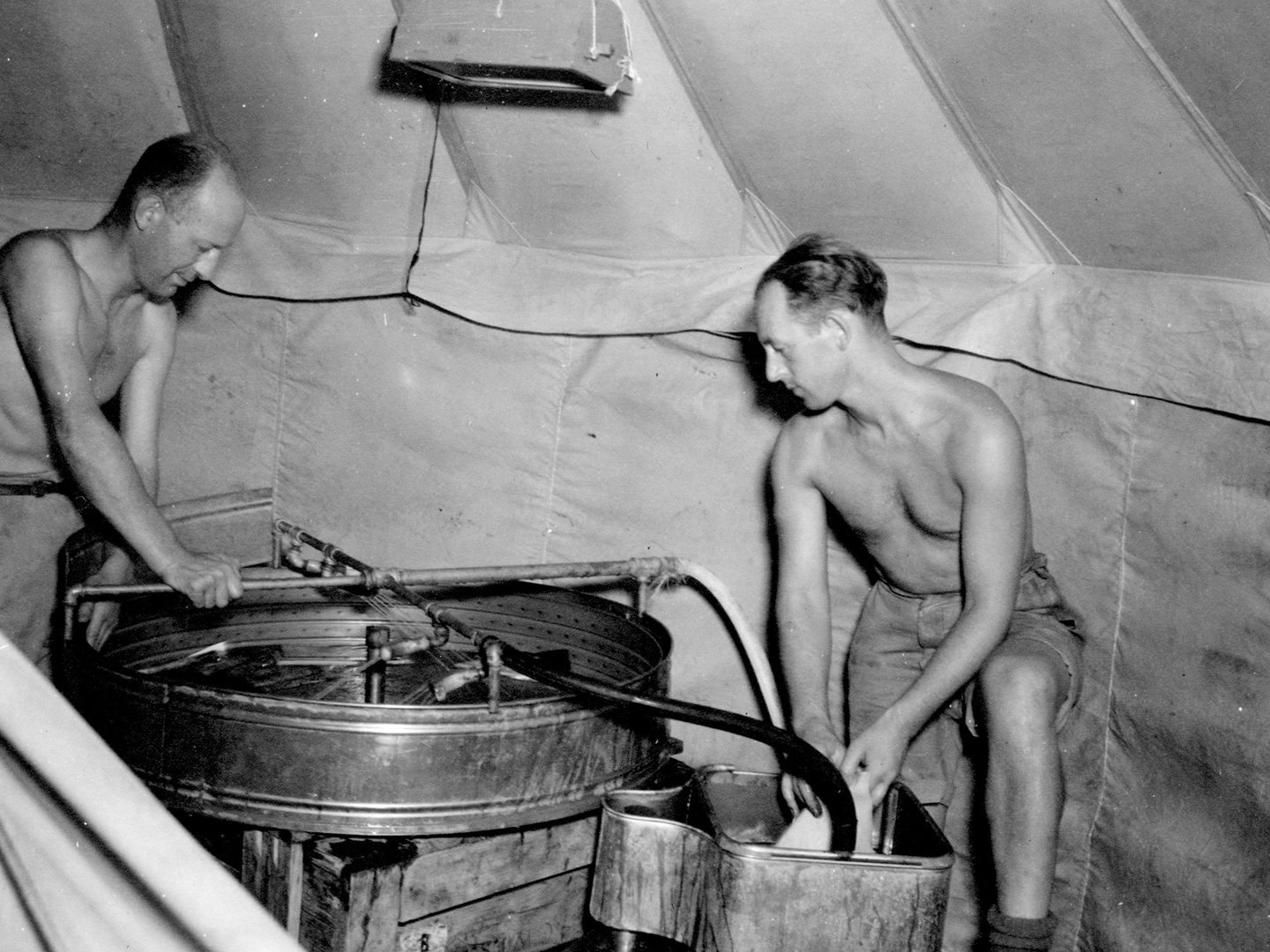
There are also some ground photographs showing the photographic unit at work and the progress of the unit through Italy. The conditions could be difficult for photographic development, with the unit on the move in hot, humid weather. This caused discomfort for personnel and water shortages for film processing. The photographs show airmen working in tents or small wagons, often stripped down to their shorts, and retrieving water from a small stream to complete their work.
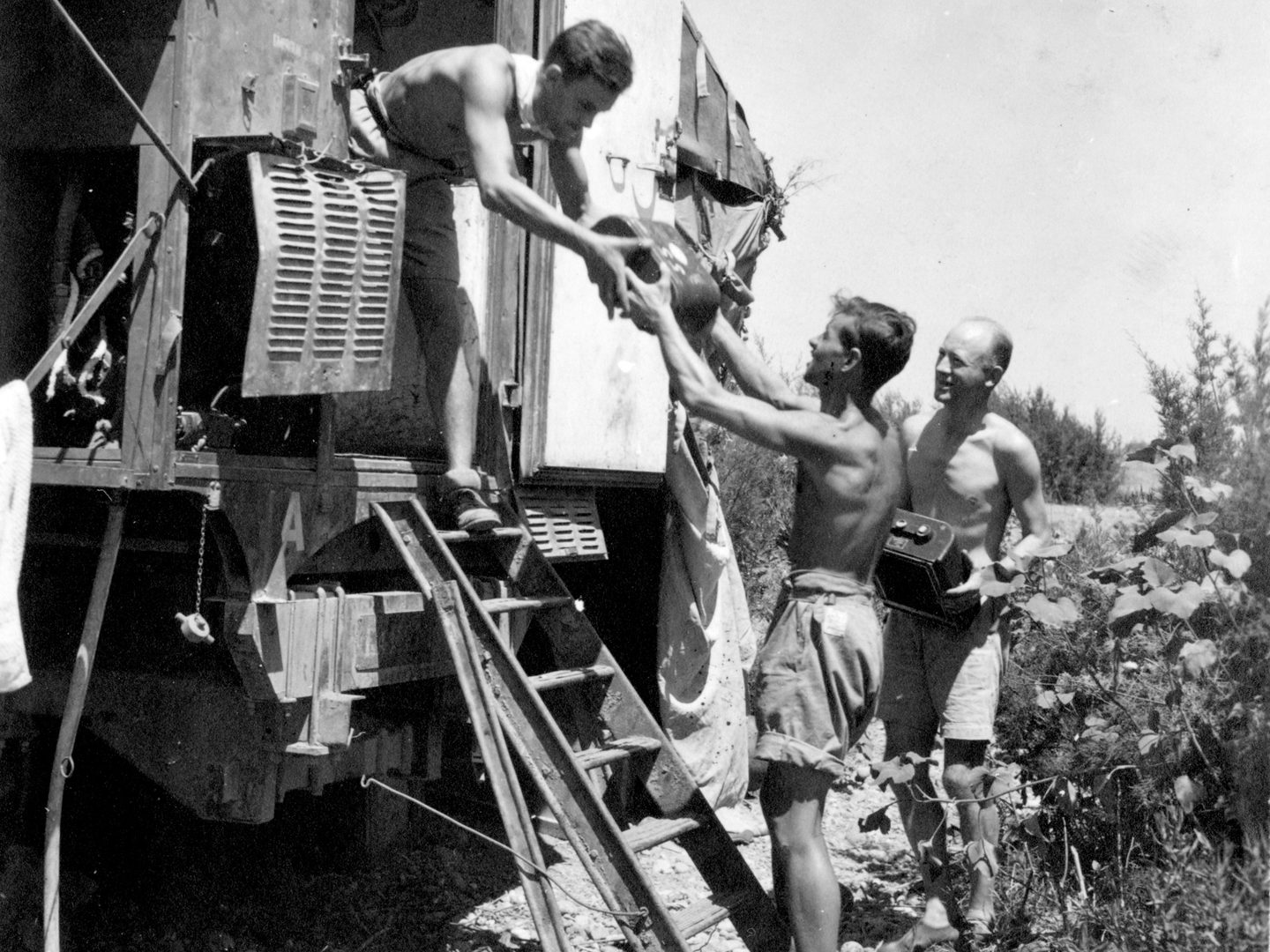
Wagons used for developing film in the field; Collection: POTTS, Frame: 0026
Food shortages were common in southern Italy and airmen were, on occasion, able to share provisions with local inhabitants. One image shows cans of food being prepared for distribution to a gathering crowd. A boy in the crowd seems less than pleased at the Allied presence; he can be seen on the right of the image making an offensive gesture to the camera.
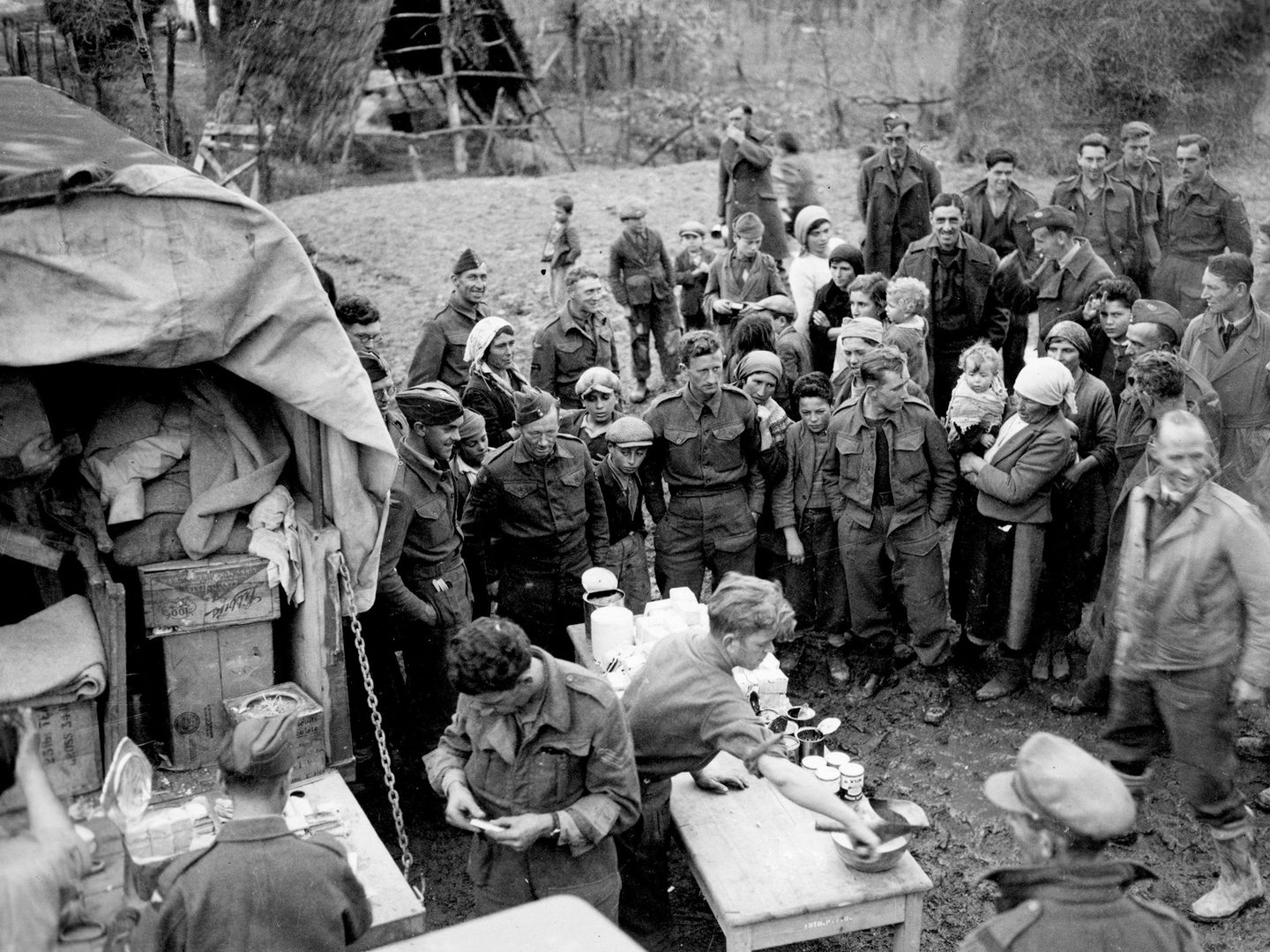
Distribution of food by Allied servicemen; Collection: POTTS, Frame: 0029
There is also an image of Colonel Elliot Roosevelt, the American President’s son, who initially commanded NAPRW. Colonel Roosevelt commanded various photographic units during the Second World War, as well as flying several top-secret reconnaissance missions himself. He was awarded the Distinguished Flying Cross in 1942 (for his involvement in Arctic survey flights and photographic reconnaissance missions over Africa) as well as being made Commander of the Order of the British Empire (CBE) in 1944, among other honours.
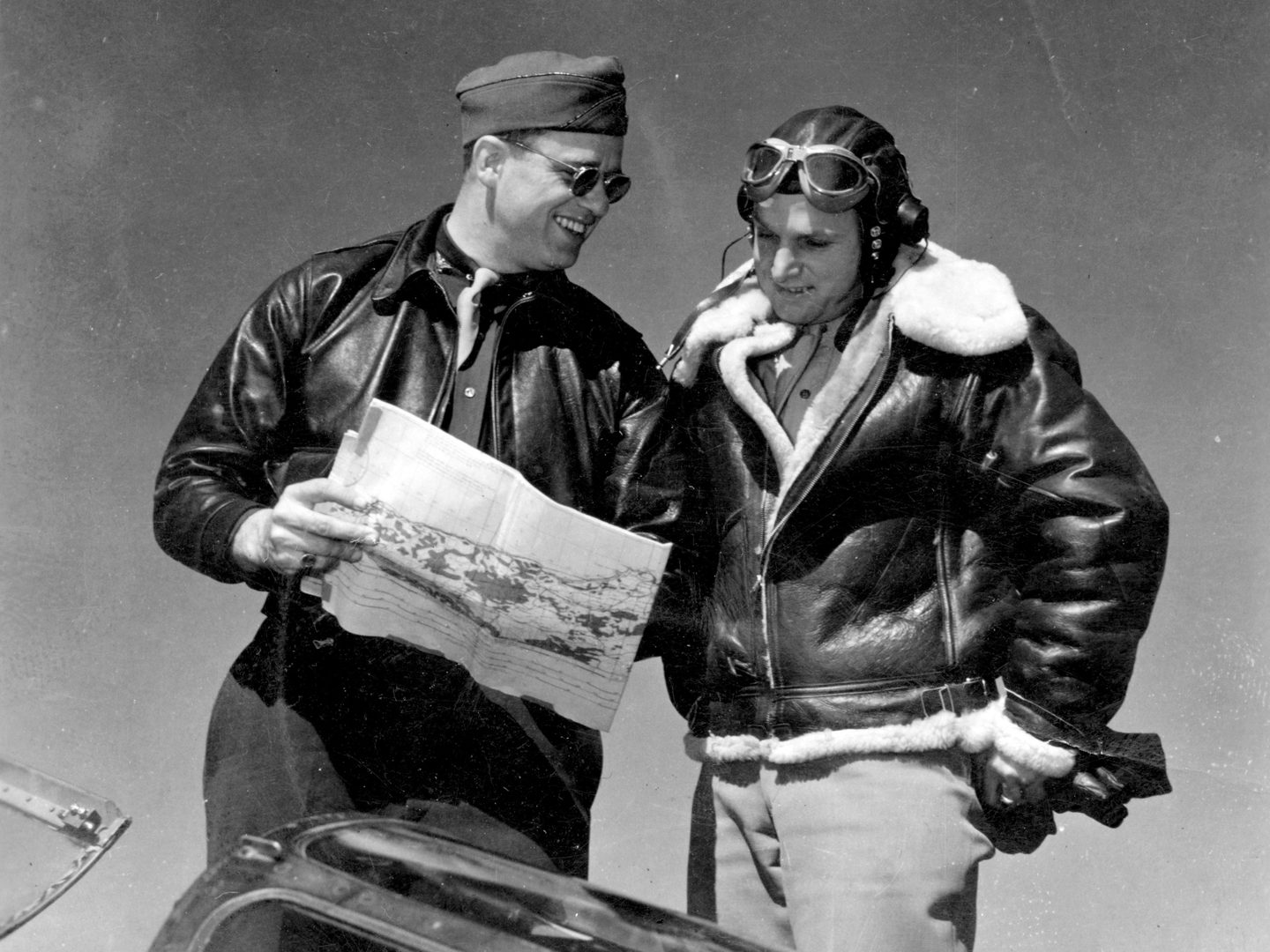
Colonel Elliot Roosevelt; Collection: POTTS, Frame: 0030
Mediterranean Allied Photo Reconnaissance Wing
With a base in Italy, the Allies were able to send reconnaissance flights into areas of Europe which had previously been out of range of their aircraft. This imagery forms the basis of the MAPRW collection at NCAP, including cover of Eastern Europe and the Mediterranean. Sorties flown in May and August 1944 even include coverage of Auschwitz Concentration Camp in Poland.
Annie Chatfield, NCAP Metadata Coordinator
MAPRW Aerial Photography and WWII Map Search
If you have a collection of aerial photography, or some information about any of our collections which you would like to donate, please contact us.