

Irish Defence Forces Collaboration
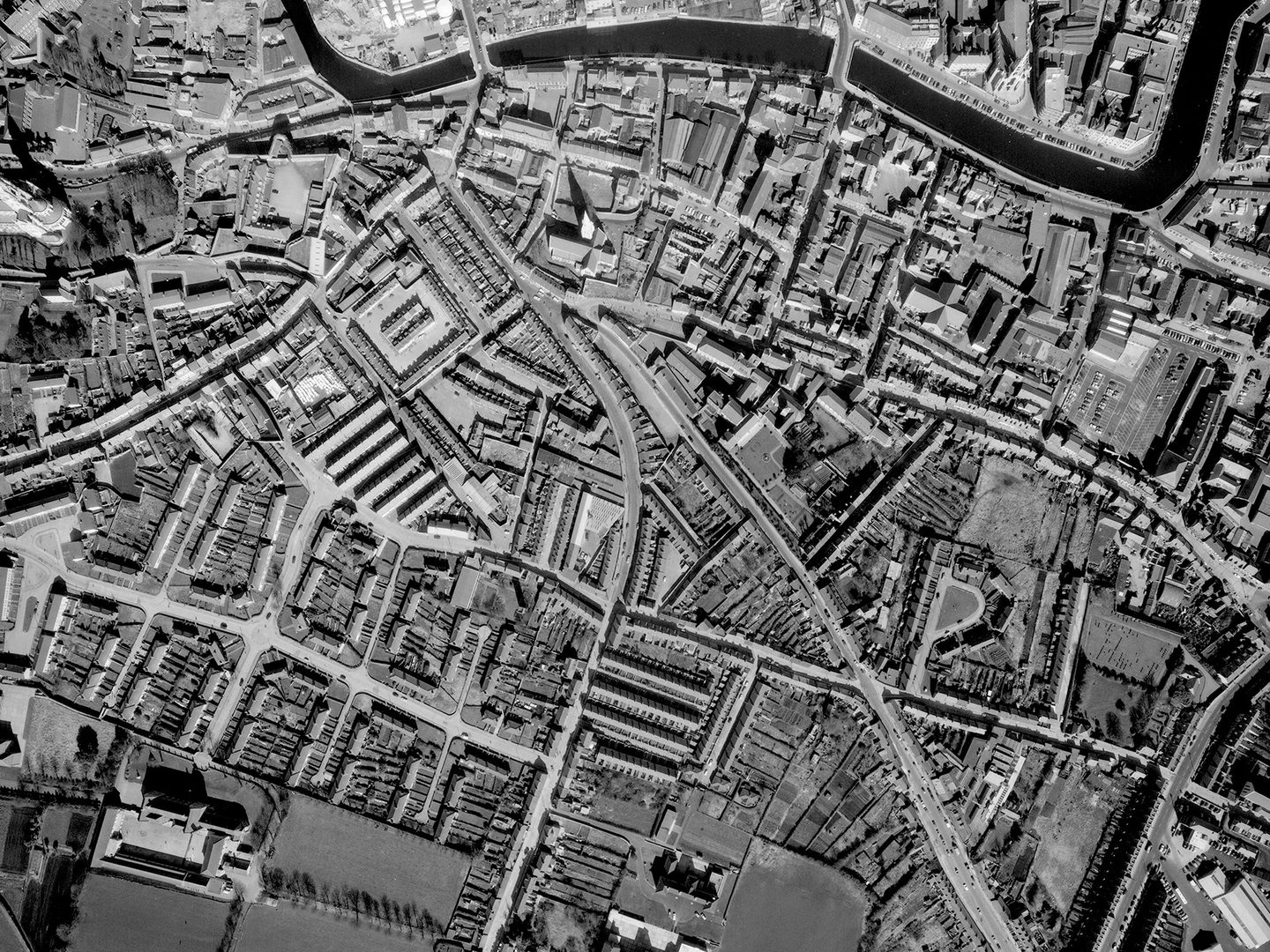
Through the second half of 2025, the National Collection of Aerial Photography (NCAP) has been working in collaboration with the Irish Defence Forces. The aim of the venture is to digitise and catalogue the extensive collection of aerial photography created by the Irish Defence Forces and held by the Irish Military Archives. The collaboration will ensure this unique imagery is made accessible and preserved for the future.
The Irish Defence Forces
The Irish Defence Forces' roots lie in the Irish Volunteers (Óglaigh na hÉireann), a paramilitary organisation founded in 1913 to defend the impending implementation of Home Rule (and in reaction to the establishment of the Ulster Vounteers in 1912, who opposed Home Rule). The Irish Volunteers were involved in conflicts including the 1916 Easter Rising and the 1919-1921 War of Independence, by which time they were known as the Irish Republican Army (IRA), having been reorganised after the release of internees following the Rising.
During the 1922-1923 Civil War, those who took the side of the Irish Free State formed the National Army, which was designated The Defence Forces on 1 October 1924. Those who opposed the Anglo-Irish Treaty which had created the Free State remained under the name of the IRA. Both The Defence Forces and the IRA claimed the name Óglaigh na hÉireann, which remains the official name of the Irish Defence Forces to this day. The end of the Civil War saw the official formation of the Irish Defence Forces, as well as the incorporation of the fledgling Irish Air Corps.
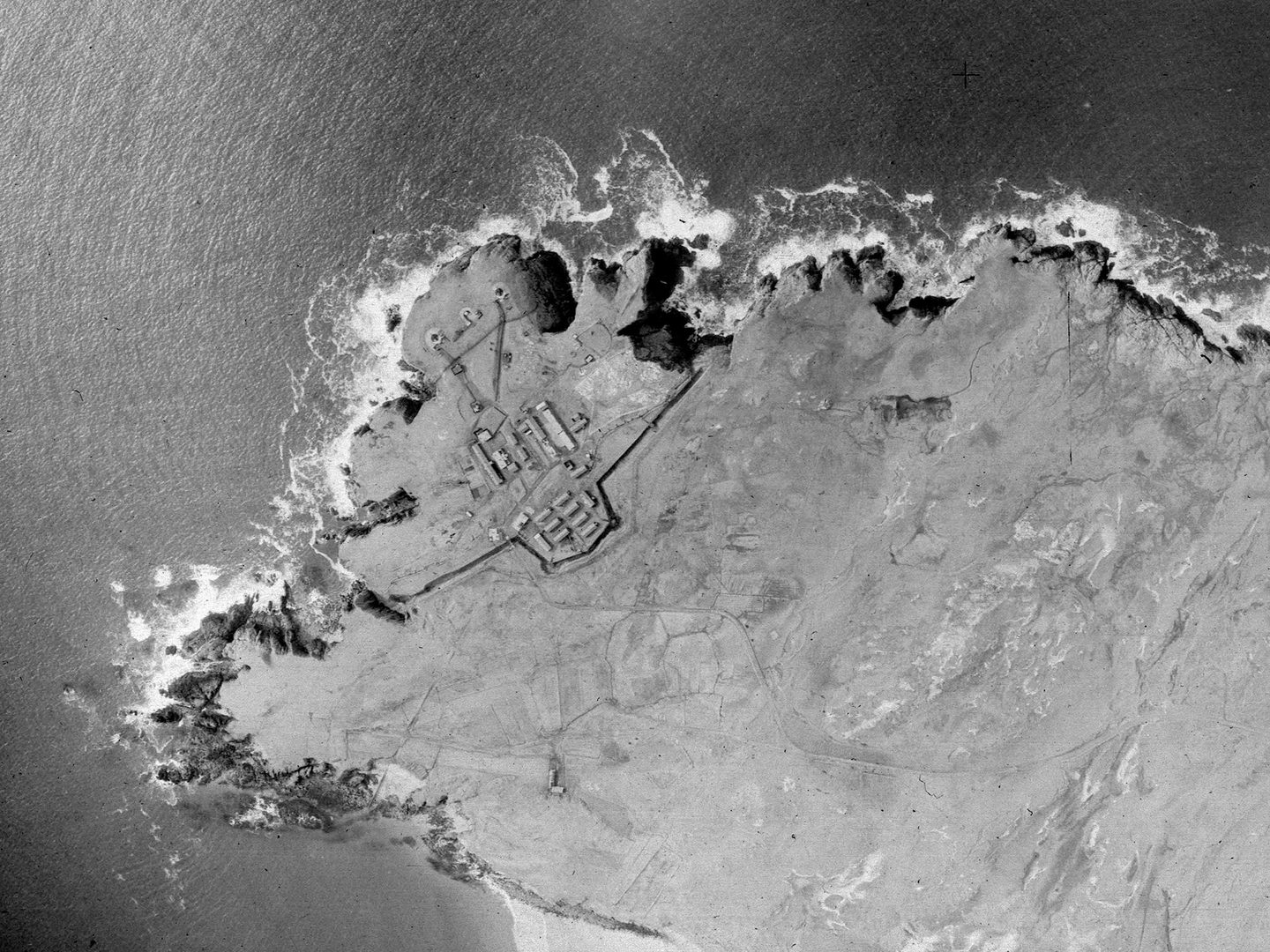
Lenan Head Fort, County Donegal; Collection: Irish Military Archives, Sortie: AP/V0171, Frame: 0001 (8 April 1954)
Ireland was officially neutral during the Second World War, but co-operated with the British throughout. The war also provided an opportunity for the Irish Air Corps to expand its capabilities through the acquisition and seizure of aircraft. Since the war, the Irish Defence Forces have carried out peacekeeping operations overseas, as well as numerous operations on Irish soil.
Throughout the second half of the twentieth century, the Irish Air Corps undertook numerous duties, including search and rescue, troop transport and maritime patrolling. Aerial reconnaissance is a key function of the Irish Air Corps, and it has been responsible for generating tens of thousands of images that provide repeat coverage of places throughout the Republic of Ireland.
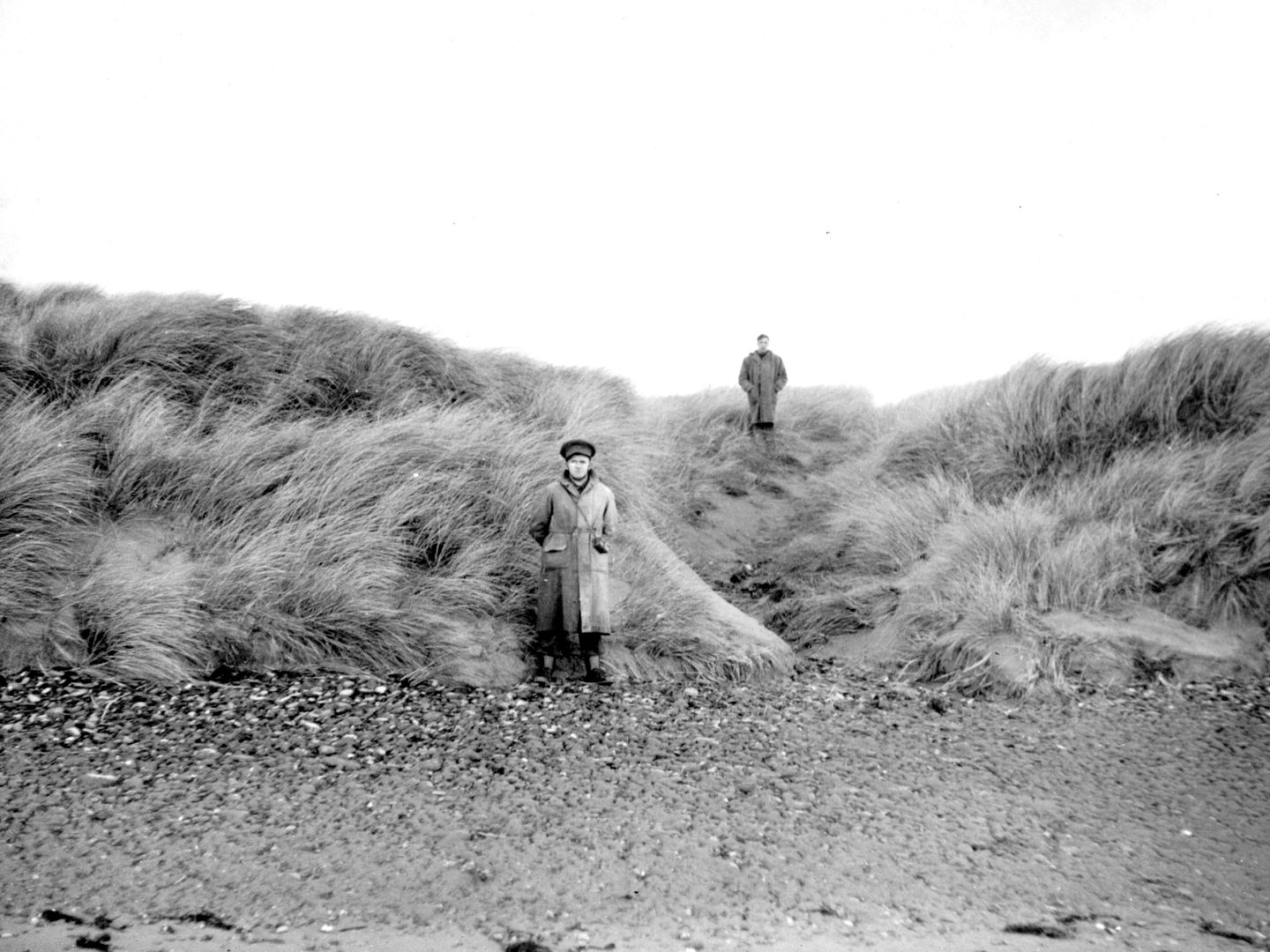
Military personnel undertaking reconnaissance for Operation SANDSTONE; Collection: Irish military Archives, Sortie: AP/CSY06/0012, Frame: 0003
OPERATION SANDSTONE
The unique records held by the Military Archives include photography created during Operation SANDSTONE - a top-secret British-Irish collaboration to survey the coastline and beaches of Ireland, carried out at the request of the United States. These images (often taken by military personnel out of uniform) would have been vital for planning a counter-invasion if the Russians ever invaded Ireland during the Cold War.
The Irish Military Archives
The Irish Military Archives was first established in 1924 as part of Intelligence Branch. In 1990, it was designated as the statutory place of deposit for records of the Irish Defence Forces and Department of Defence under the National Archives of Ireland Act 1986. They collect, care for and provide access to military archival material spanning the foundation of the Irish State to the present day.
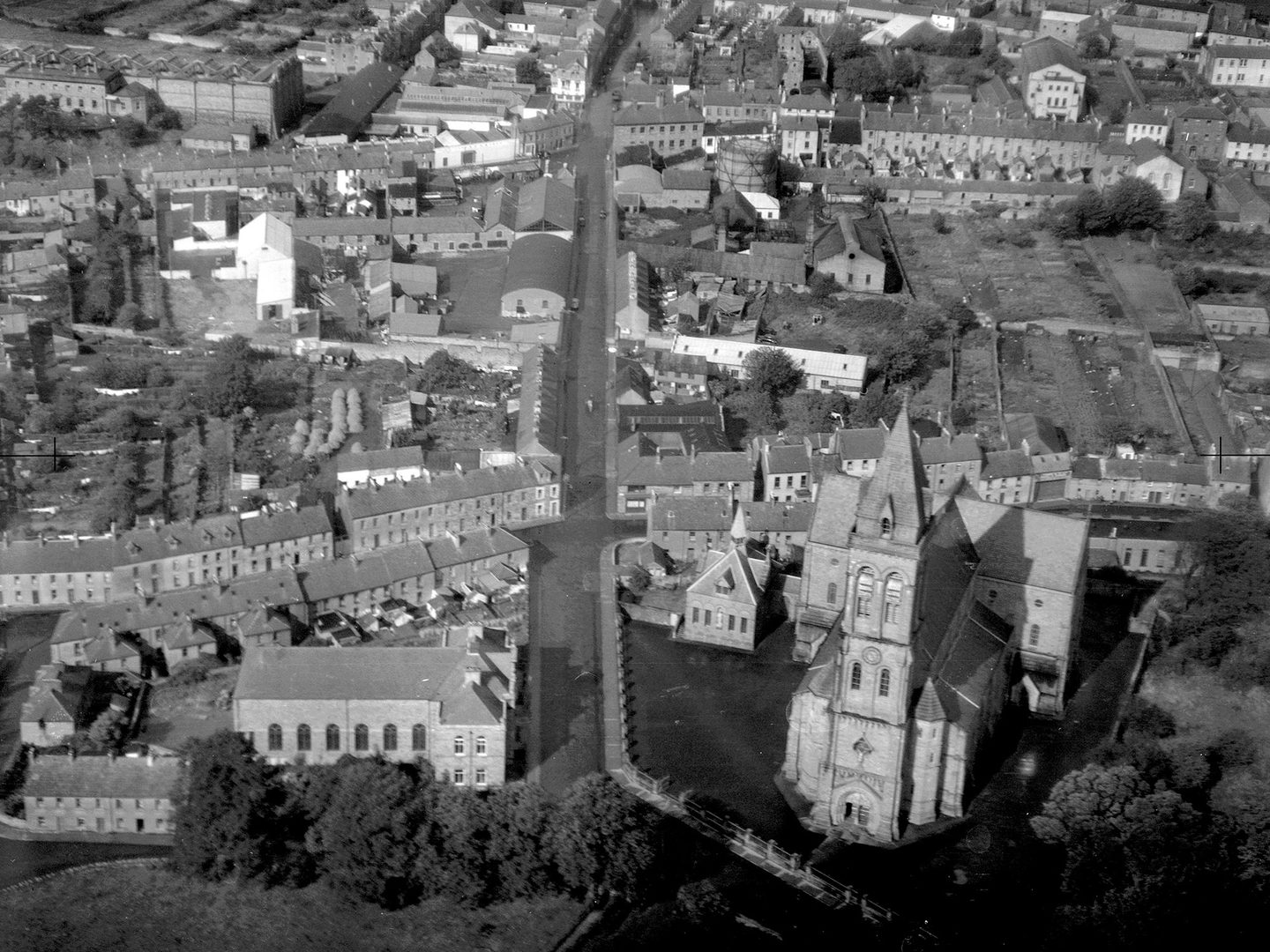
The Cathedral of the Immaculate Conception & St. Mary’s Parish, Sligo, County Sligo; Collection: Irish Military Archives, Sortie: AP/SQ/0096, Frame: 0012
This includes tens of thousands of aerial photographs. As well as the SANDSTONE material, it includes imagery created by the Irish Air Corps and sorties flown by the United States Air Force over Ireland. Together, this imagery provides a unique perspective on Ireland's history and development over time.
Collaboration
From 2025, NCAP and the Irish Military Archives have been working to digitise these aerial photographs. Thanks to this collaboration, access to tens of thousands of images that record places throughout Ireland will be preserved, rehoused, digitised and made accessible online for the first time via our online platform.
Ben Reiss, NCAP Collections Manager
Find out more about our collaboration


