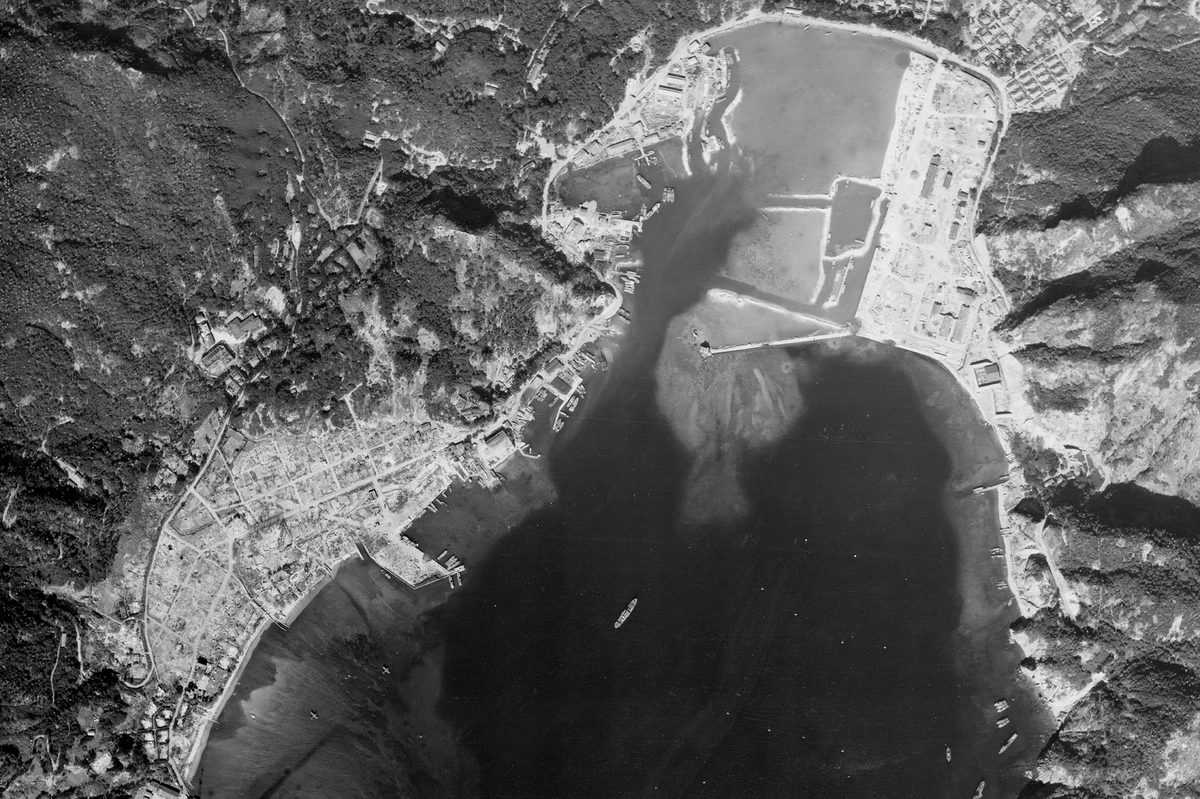
The Development of Cold War Photographic Interpretation
The work of an Imagery Analyst (IA) during the Cold War built on the experience of Photographic Interpreters (PIs) during the Second World War and was transformed by Cold War demands. From RAF Medmenham to the Joint School of Photographic Interpretation (JSPI), photographic interpretation in the British Armed Forces evolved into an intelligence discipline focused on subjects including missile facilities, airbases and strategic infrastructure.
Today the National Collection of Aerial Photography (NCAP) preserves Cold War imagery within the Joint Air Reconnaissance Intelligence Centre (JARIC) Collection, offering a unique record of how analysts turned aerial imagery into critical intelligence during one of the most complex periods of the twentieth century.
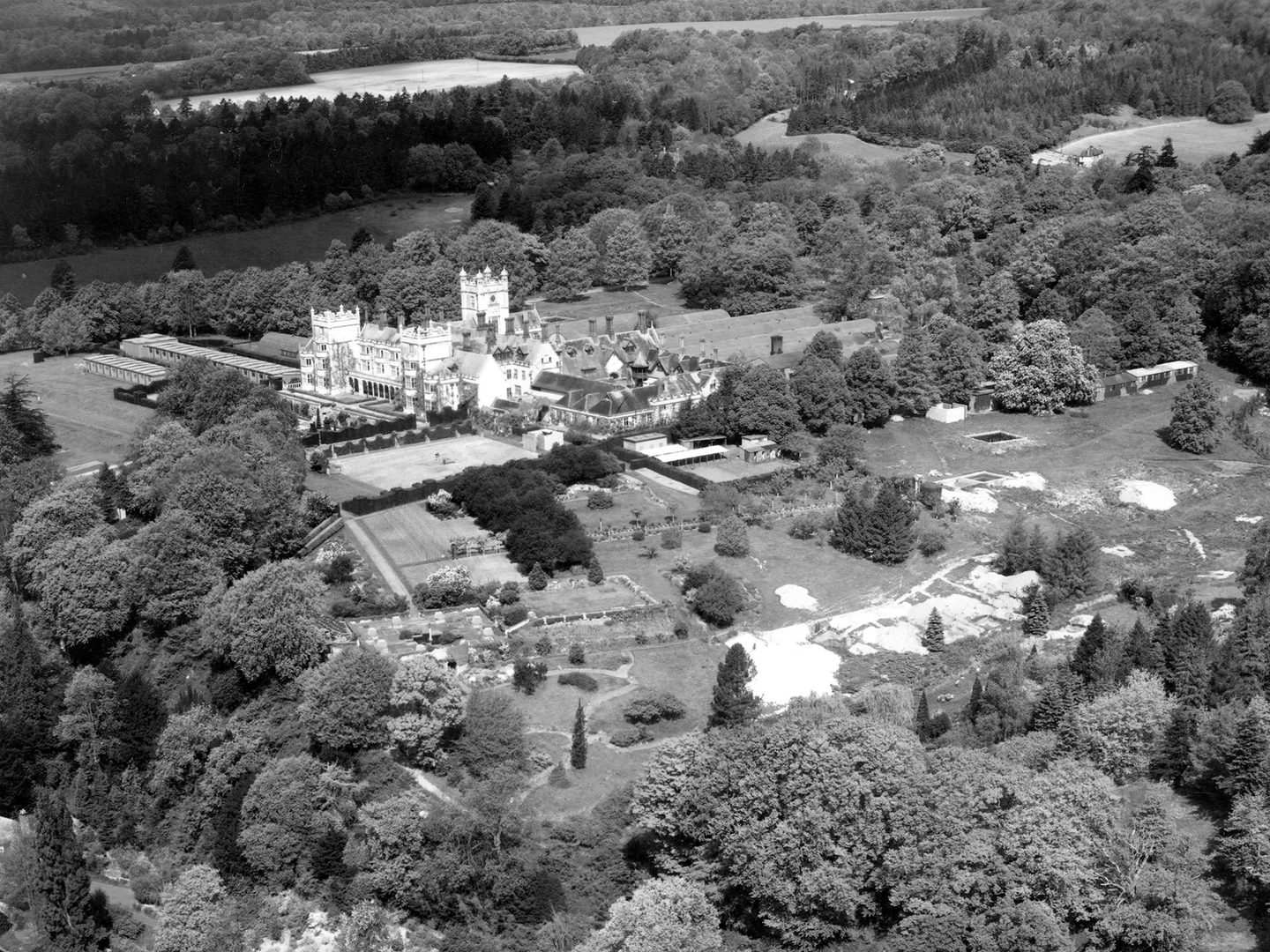
Danesfield House, Buckinghamshire, location of RAF Medmenham and home to the Central Interpretation Unit; Collection: ATENCIO, Sortie: US7/LOC/0003/D, Frame: 0016 (28 April 1945)
The Foundations of Photographic Interpretation
The modern IA emerged from the rapid development of the interpretation of aerial reconnaissance photographs during the Second World War. Before formal training systems existed, PIs were trained within operational intelligence units such as the Central Interpretation Unit at RAF Medmenham. PIs worked directly with reconnaissance imagery, identifying airfields, shipping, troop movements, industrial production, transport routes and defensive positions.
Photographic interpretation was a highly technical discipline. PIs used stereoscopic imagery to perceive depth and measure terrain, enabling them to assess the height of buildings, detect camouflage and identify recently constructed or concealed military infrastructure. They produced annotated imagery and wrote intelligence reports that were passed directly to operational commanders.
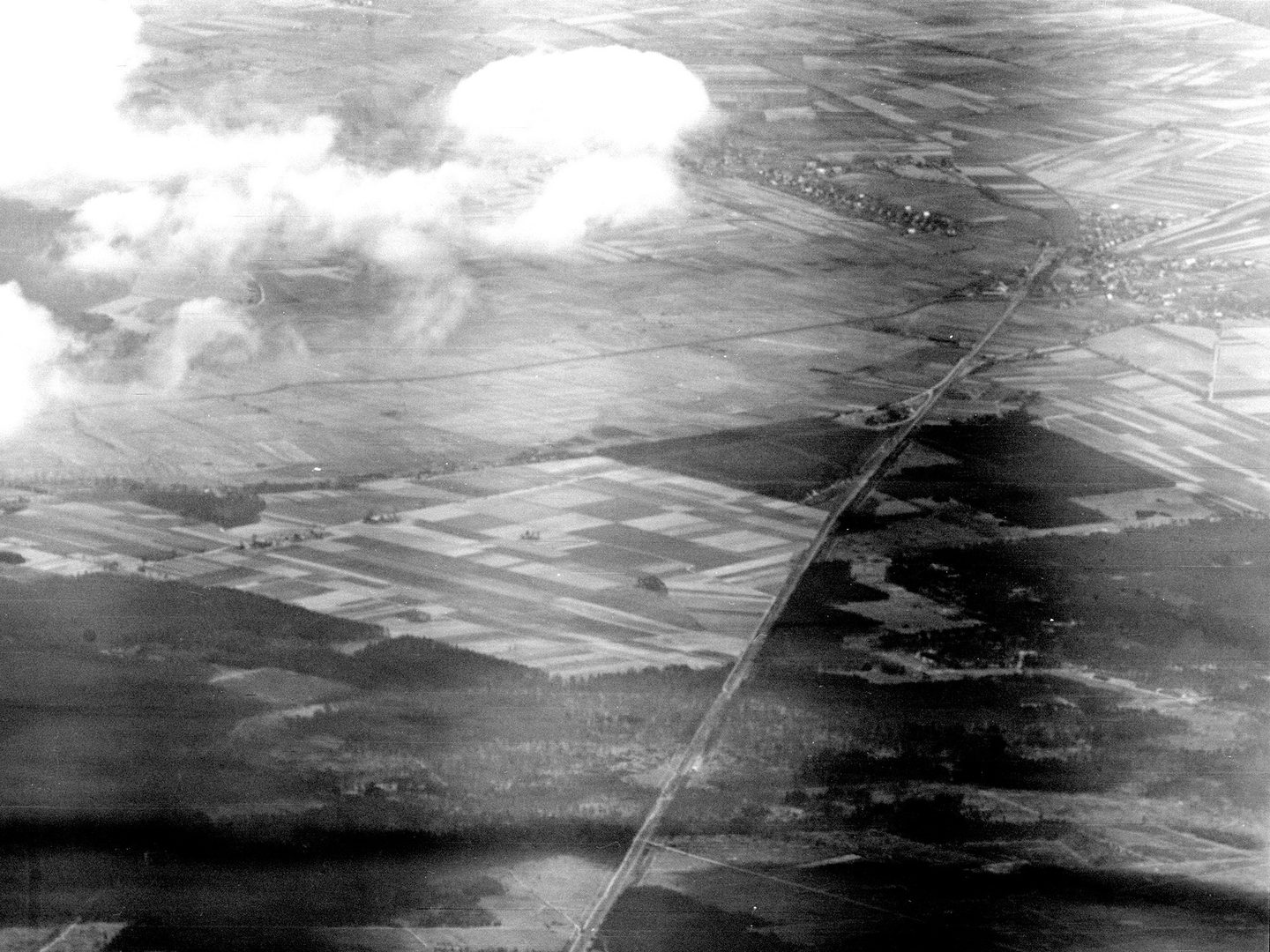
Krebsförden in Germany, approximately 20 miles inside the German Democratic Republic; Collection: JARIC, Sortie: ROBIN/0001, Frame: 1003 (23 April 1954)
After initial training, learning during this period was largely experiential and mentorship-based, with recruits developing through continuous exposure to operational demands. While highly effective, this system reflected wartime urgency rather than standardised analytical doctrine.
JSPI, Cold War Expansion and the Professionalisation of Analysis
The establishment of the JSPI in 1956 at RAF Wyton, marked a turning point in the development of imagery analysis. As Cold War tensions intensified, intelligence priorities shifted to long-term tactical and strategic reconnaissance, particularly focused on the Soviet Union and its allies.
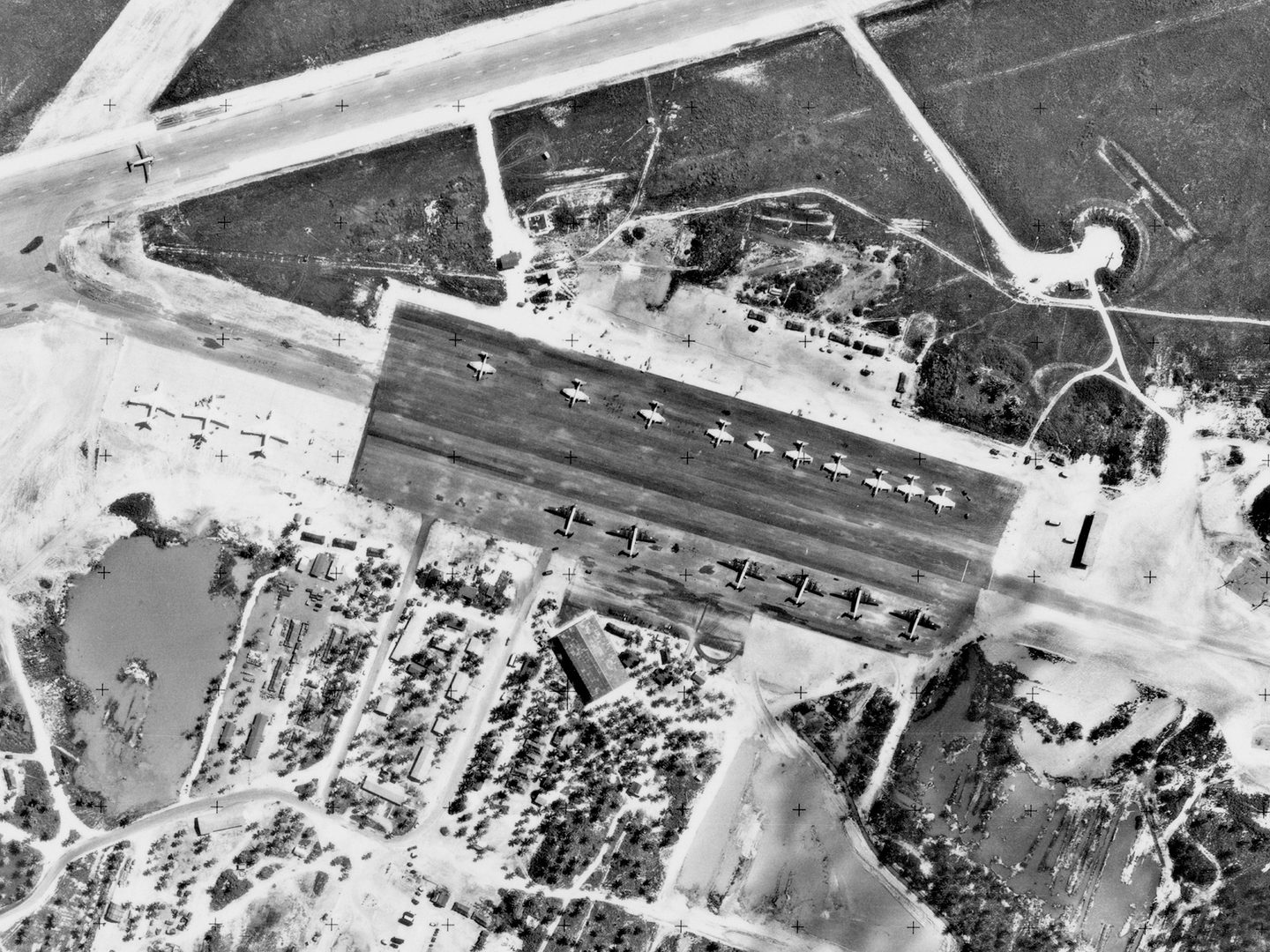
Vickers Valiants, English Electric Canberras and Avro Shackletons on Kiritimati shortly before the British nuclear test GRAPPLE Y; Collection: DOS, Sortie: 58/RAF/2390, Frame: 0066 (11 April 1958)
Cold War intelligence analysis required sustained monitoring of military capability. Photographic Interpreters, now known as Imagery Analysts, were tasked with identifying and studying a wide variety of intelligence targets including missile sites, nuclear facilities, airbases, submarine pens, military barracks, radar installations, and industrial complexes linked to defence production and research. Rather than analysis of isolated targets, they conducted systematic change detection, comparing imagery over time to assess construction progress, operational readiness and shifts in strategic posture.
The JSPI formalised this work into a structured training programme. IAs were taught stereoscopic interpretation, cartographic plotting, intelligence reporting and comparative imagery analysis. A key part of Cold War intelligence was ‘order of battle’ assessment, where interpreters estimated the strength, organisation and capability of enemy forces based on the infrastructure and activity patterns observed on imagery.
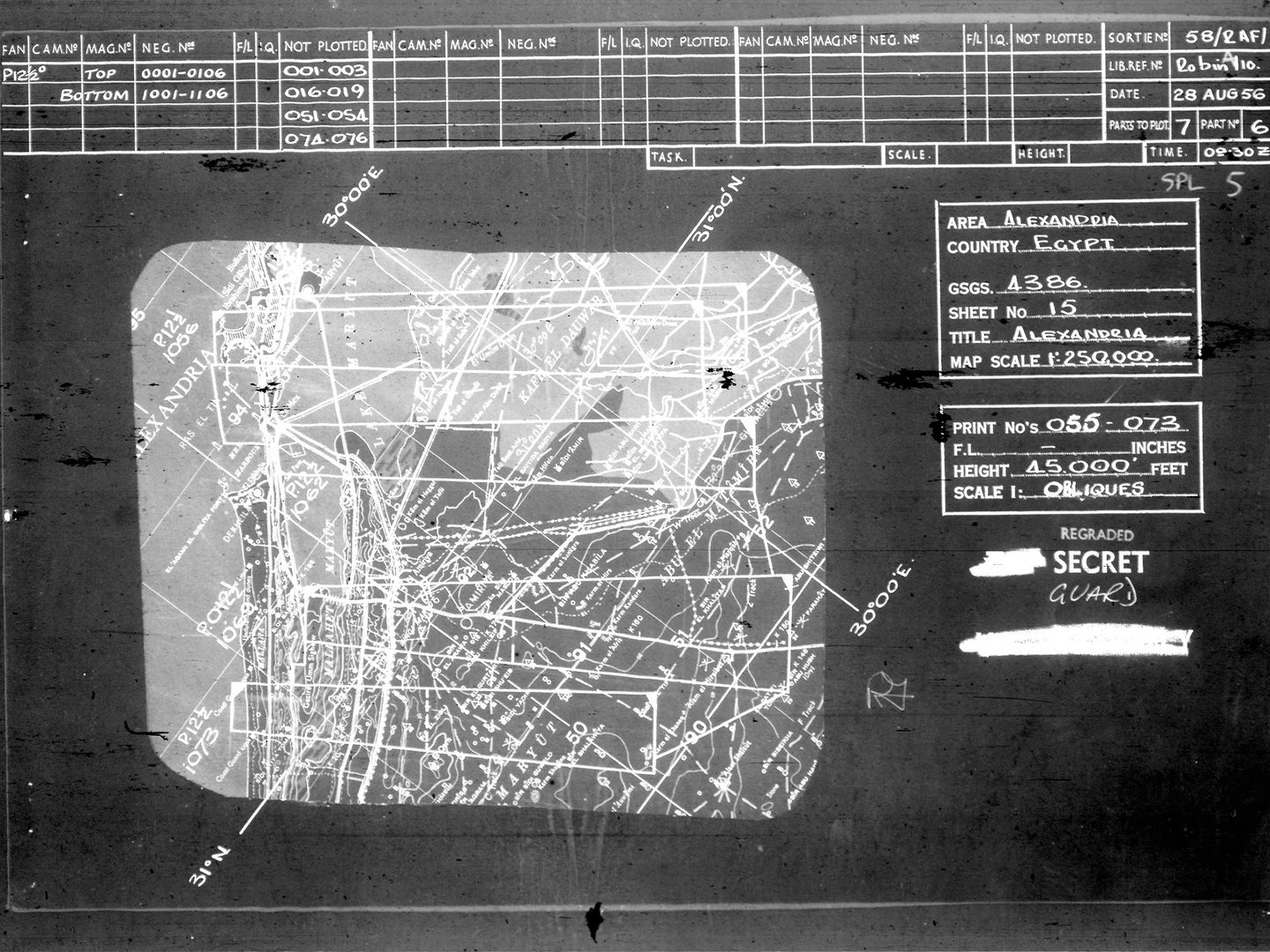
A plot showing coverage of imagery taken during sortie ROBIN/0010A, flown over Egypt on 28 August 1956 and now held within the JARIC Collection at NCAP.
As reconnaissance technology advanced, IAs would also interpret infrared and thermal imagery, which detected heat signatures from vehicles and installations, as well as radar imagery, which enabled surveillance through cloud cover and darkness. This expanded the role of the analyst into a multi-sensor intelligence specialist. Cold War intelligence became a continuous process of surveillance, verification, and assessment, feeding directly into defence planning, treaty monitoring and geopolitical strategy.
Following successful completion of their course, photographic interpretation specialists were deployed to a variety of strategic, tactical, and operational units such as JARIC and squadron Reconnaissance Intelligence Centres (RICs).
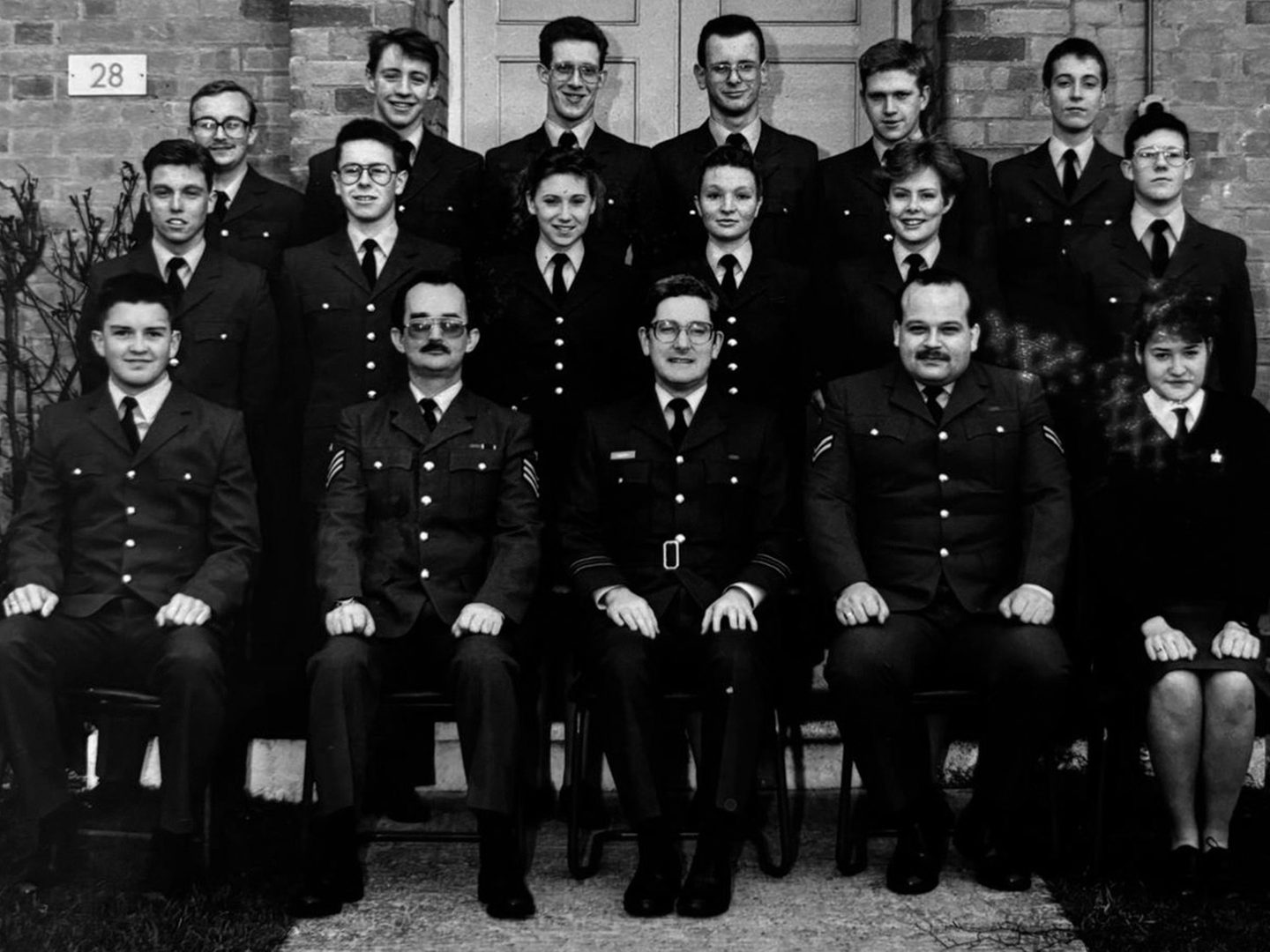
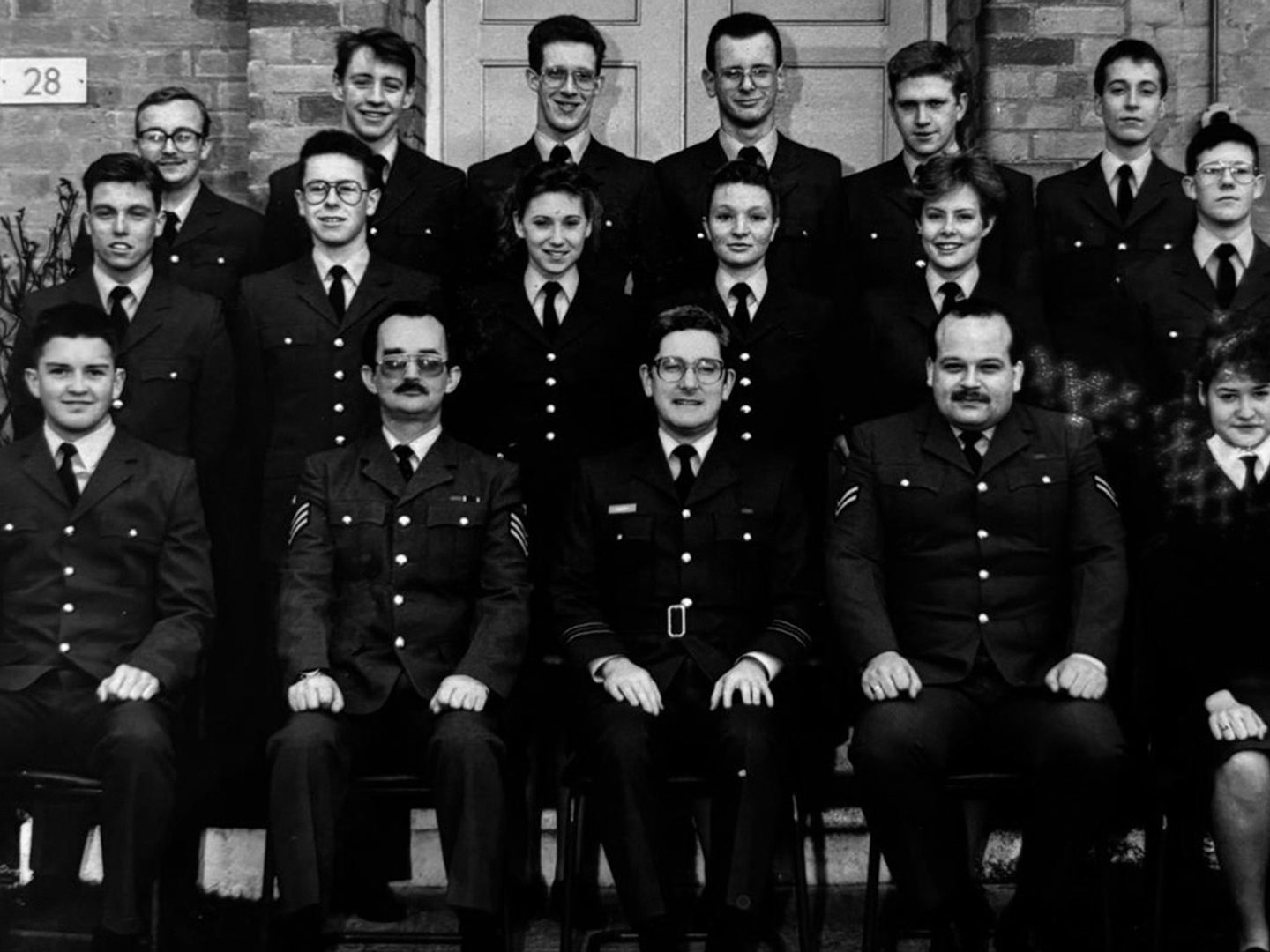
Staff and students on the No. 709 Photographic Interpreter (Assistant) Course at the Joint School of Photographic Interpretation, March 1990; image courtesy of Matthew Taylor
The JARIC Collection and the Legacy of Interpretation
The JARIC Collection held by NCAP, preserves extensive reconnaissance imagery and documentation from this period. It provides a detailed record of how photographic interpreters analysed global military infrastructure and converted imagery into structured intelligence, offering insight into both Cold War surveillance practices and the analytical methods used to interpret them.
Isabella Taylor, NCAP Metadata Assistant