Finding Lieutenant Fazekas
NCAP and the DPAA
Each image held by the National Collection of Aerial Photography (NCAP) is a snapshot of the ground conditions at a specific location, date and time. As places were often photographed on multiple occasions, the imagery held by NCAP is a powerful tool for finding evidence of specific events.
As much NCAP imagery was taken for military reconnaissance and mapping purposes during the Second World War and Cold War, this can make it particularly valuable for identifying the locations of service personnel missing in action. The Defense POW/MIA Accounting Agency (DPAA) has successfully used aerial photography from NCAP to help in their work locating lost service personnel, including First Lieutenant Frank Fazekas.
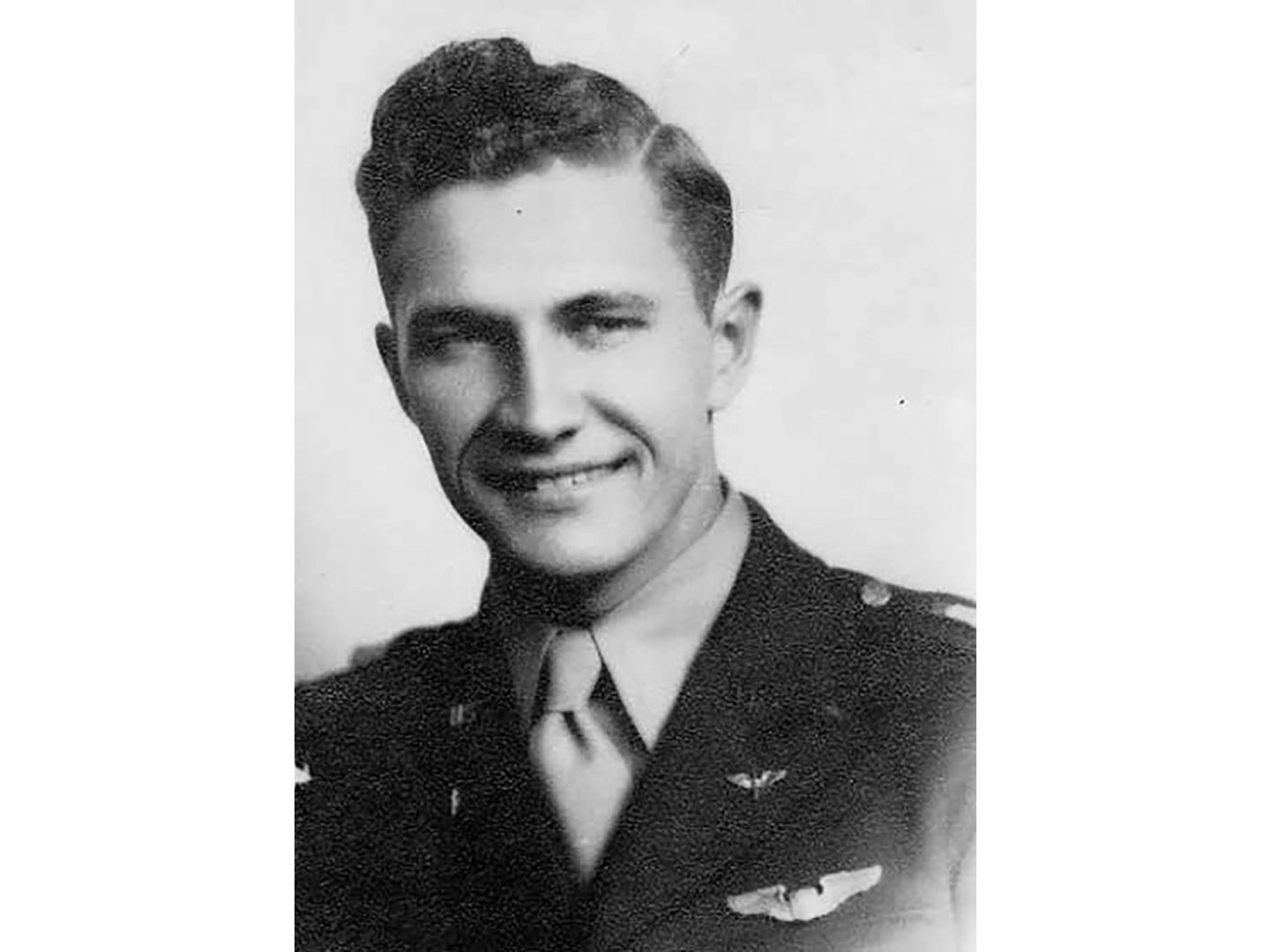
First Lieutenant Frank Fazekas in uniform; Image courtesy the Defense POW/MIA Accounting Agency
The Crash
First Lieutenant Fazekas signed up from Trenton, New Jersey and served with the United States Army Air Forces in the 22nd Fighter Squadron, 36th Fighter Group. On May 27, 1944, at the age of 22, he departed from RAF Kingsnorth in a P-47D Thunderbolt (serial number 42-75253) to fly a mission over occupied Europe. On the return flight, his Thunderbolt was hit by German anti-aircraft fire, causing the aircraft to crash near Watten in France, just west of the Belgian border.
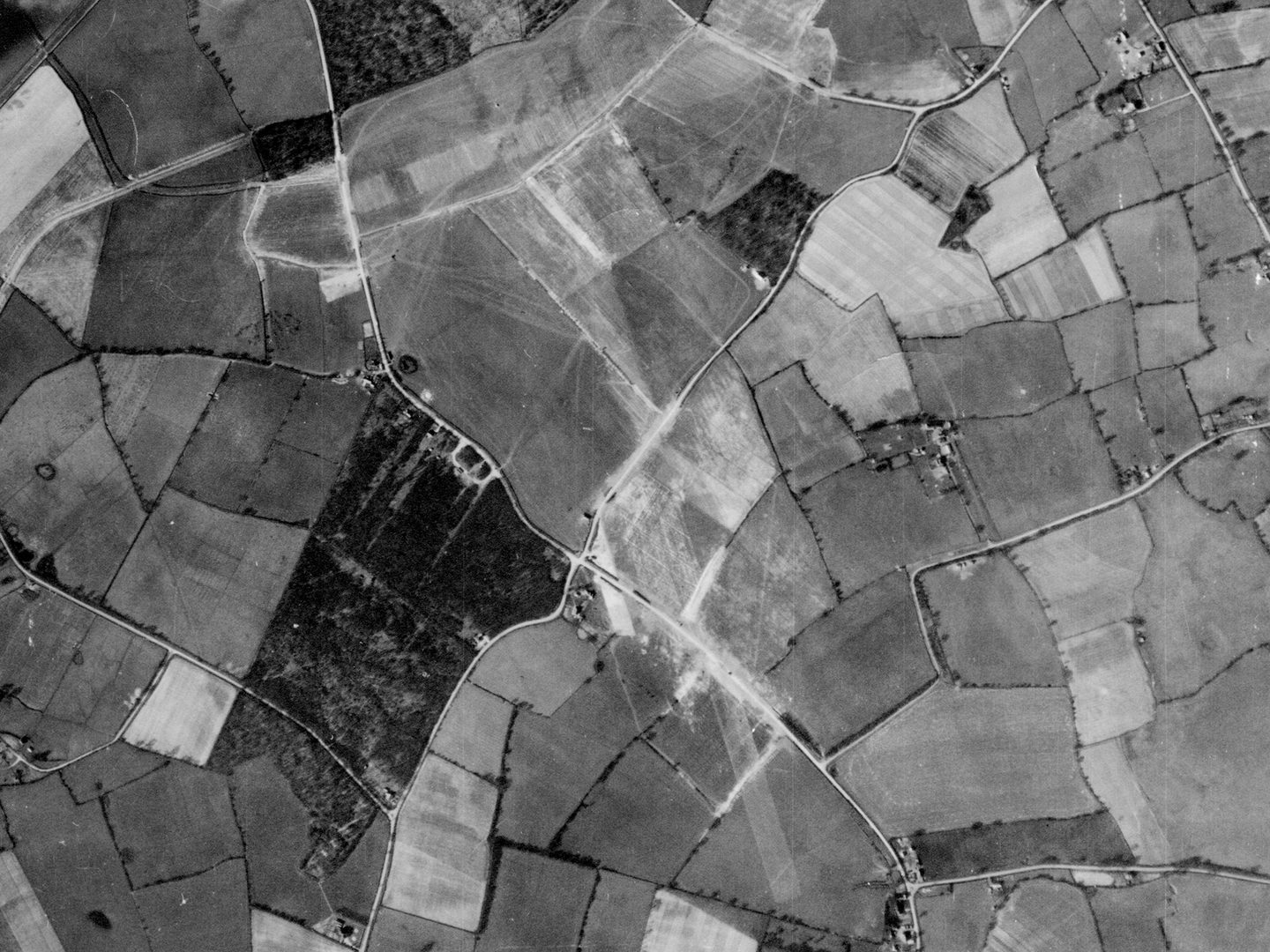
RAF Kingsnorth, from where Fazekas departed, under construction - it would open four months after this photo was taken on 03 July 1943; Collection: NARA, Sortie: GX/10345, Frame: 0008 (09 March 1943)
French civilians on the ground witnessed the crash. The aircraft's wreckage burned for several days afterwards, making immediate recovery of Fazekas' body impossible. A British recovery team investigated a crash site associated with Fazekas in July 1946, and while they were able to collect some pieces of the wreckage and personal effects, they did not recover his remains.
Recovering Lieutenant Fazekas
The remains of First Lieutenant Fazekas were deemed 'unrecoverable' until 2014, when a partnership between the University of Wisconsin-Madison and the DPAA identified his case as being potentially solvable. In April 2016 – based on eyewitness accounts from those on the ground and Fazekas' wingman – researchers used ground-penetrating radar to survey the field where the crash was believed to have taken place.
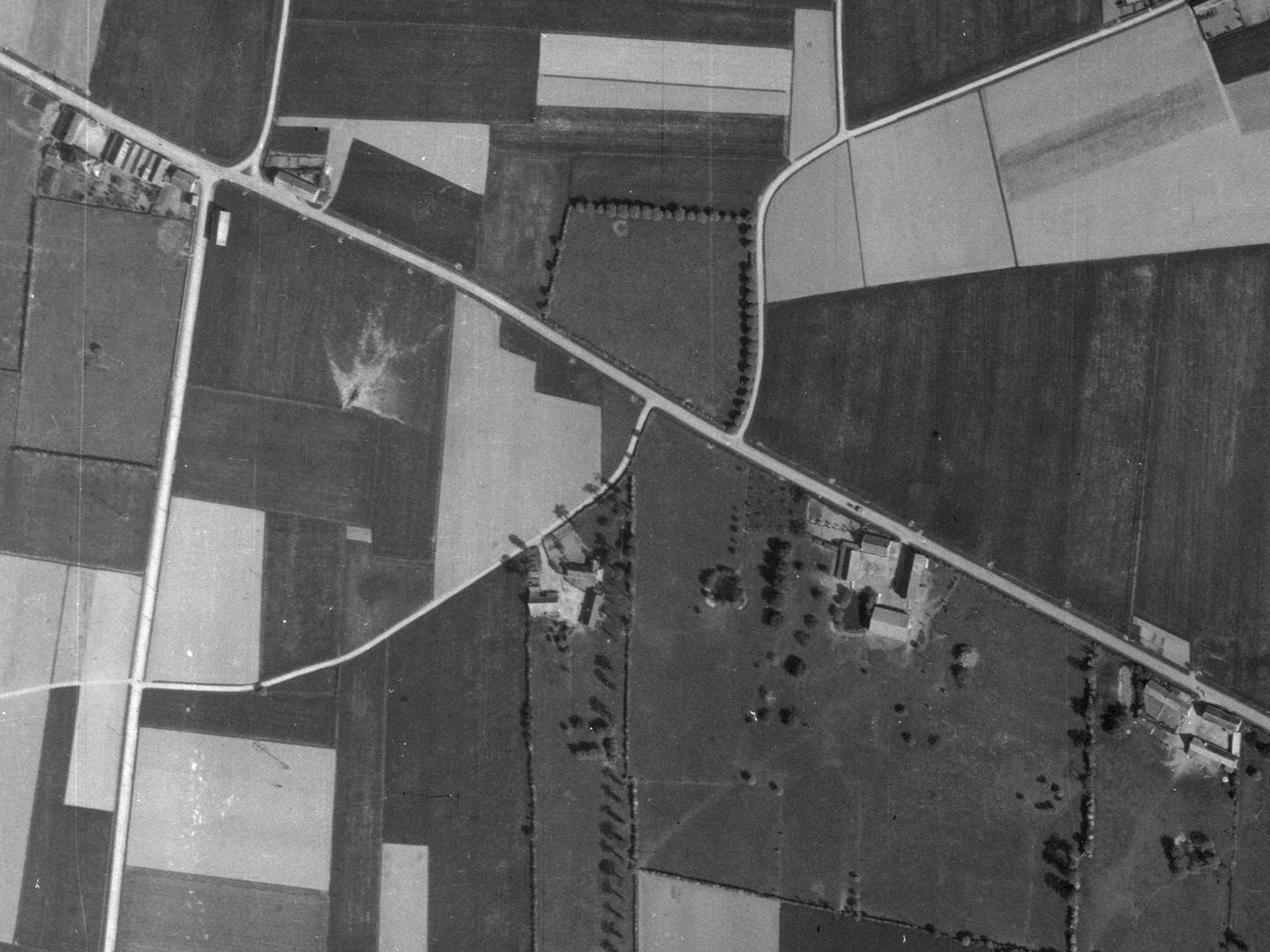
When the survey failed to locate the wreckage, the lack of definitive evidence almost forced the researchers to abandon the recovery mission. It was at this point they turned to NCAP. Within days, staff at the DPAA identified an image on the NCAP website taken just two days after the crash, which clearly showed the aircraft impact point. By comparing the image with modern aerial imagery and maps, the precise location of the crash site was identified.
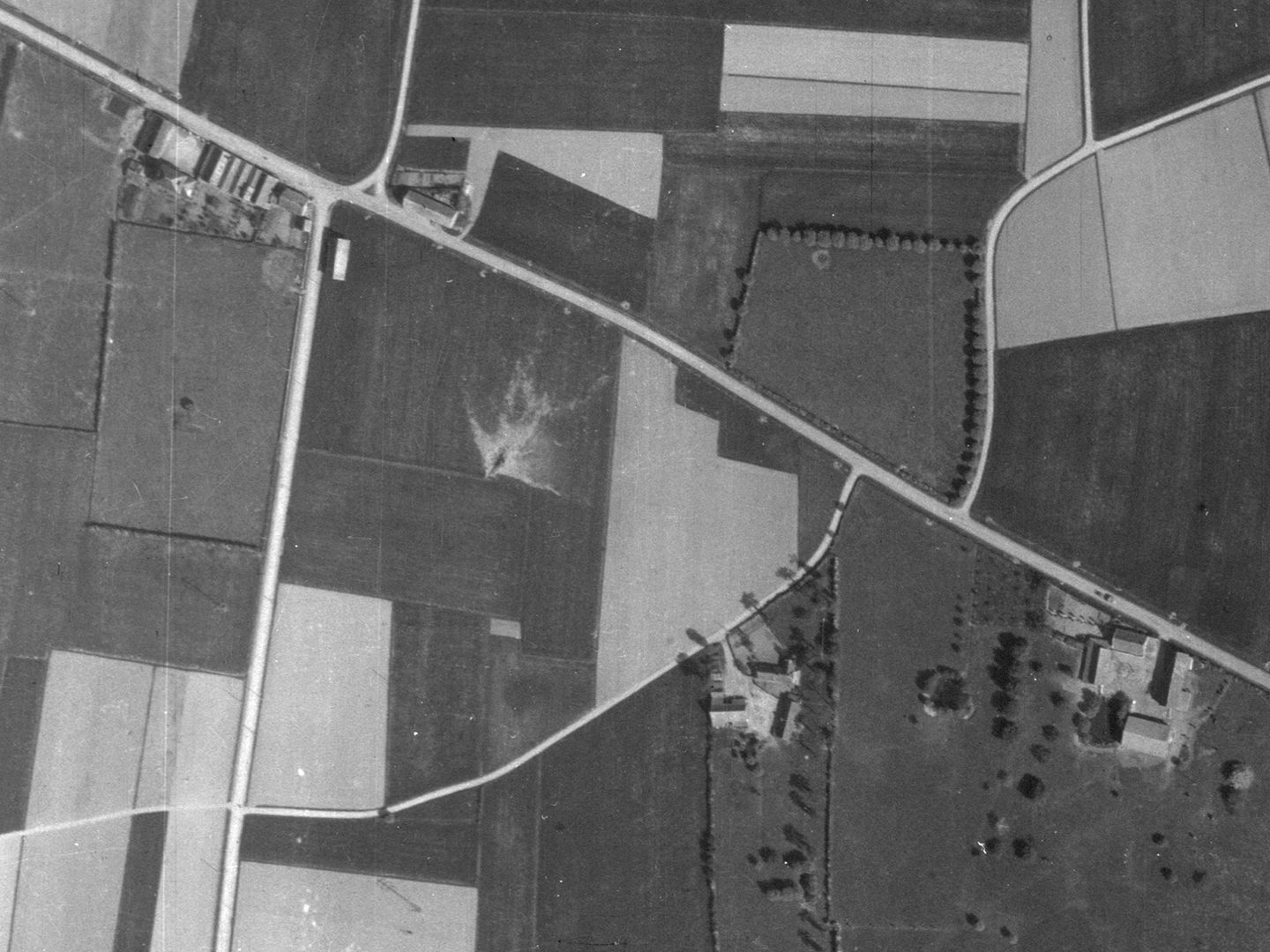
The image which allowed researchers to identify the Thunderbolt's crash site (just left of centre) and the location of Fazekas' remains; Collection: JARIC, Sortie: 106G/0585, Frame: 4012 (29 May 1944)
On excavating the site, the team successfully recovered parts of the aircraft along with human remains. Following forensic and DNA analysis, the remains were identified as those of Fazekas. In 2018, First Lieutenant Frank Fazekas was finally laid to rest at Arlington National Cemetery, Virgina, alongside the ashes of his wife, Theresa.
Ben Reiss, NCAP Collections Manager
A lecture recorded for PBS Wisconsin chronicles the University of Wisconsin-Madison research that successfully located First Lieutenant Fazekas and the recovery mission.