Digital Media and Information Studies Work Placement
Amy-Jo Brown recently completed a month-long work placement at the National Collection of Aerial Photography (NCAP). Here, she describes her experience of the placement and how it has contributed to her studies.
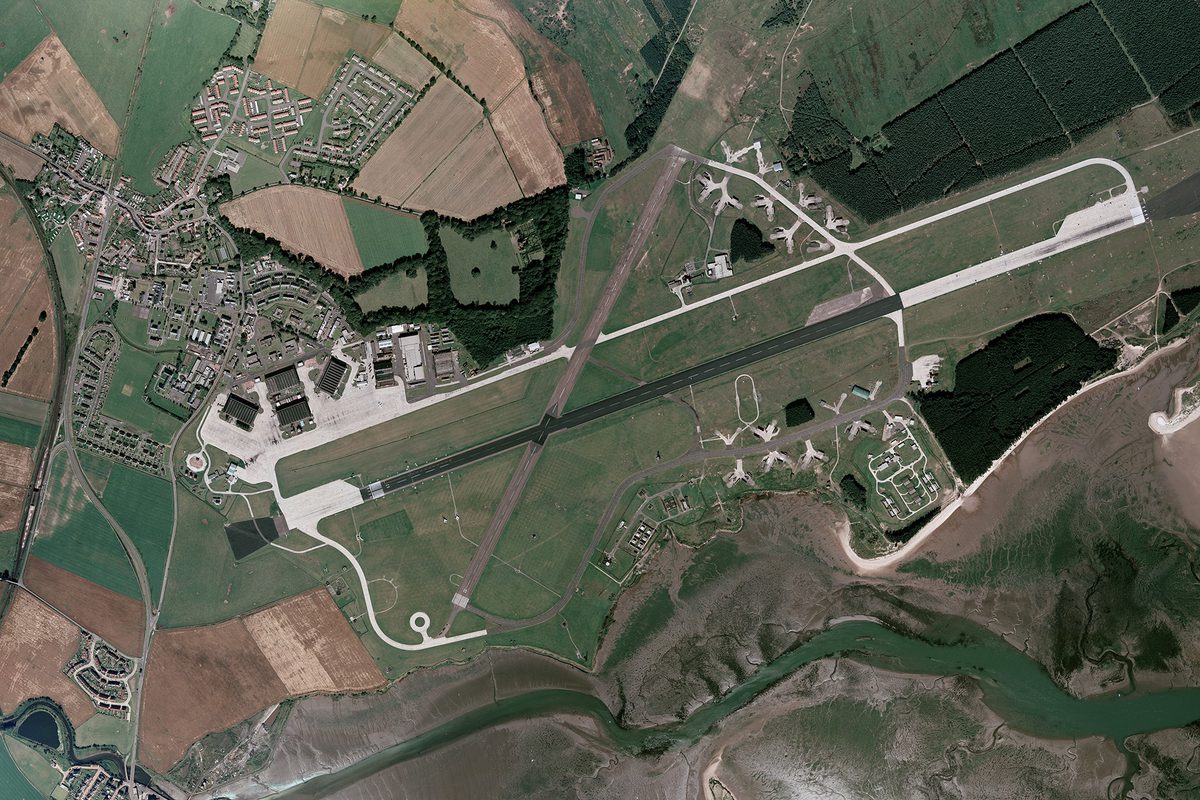
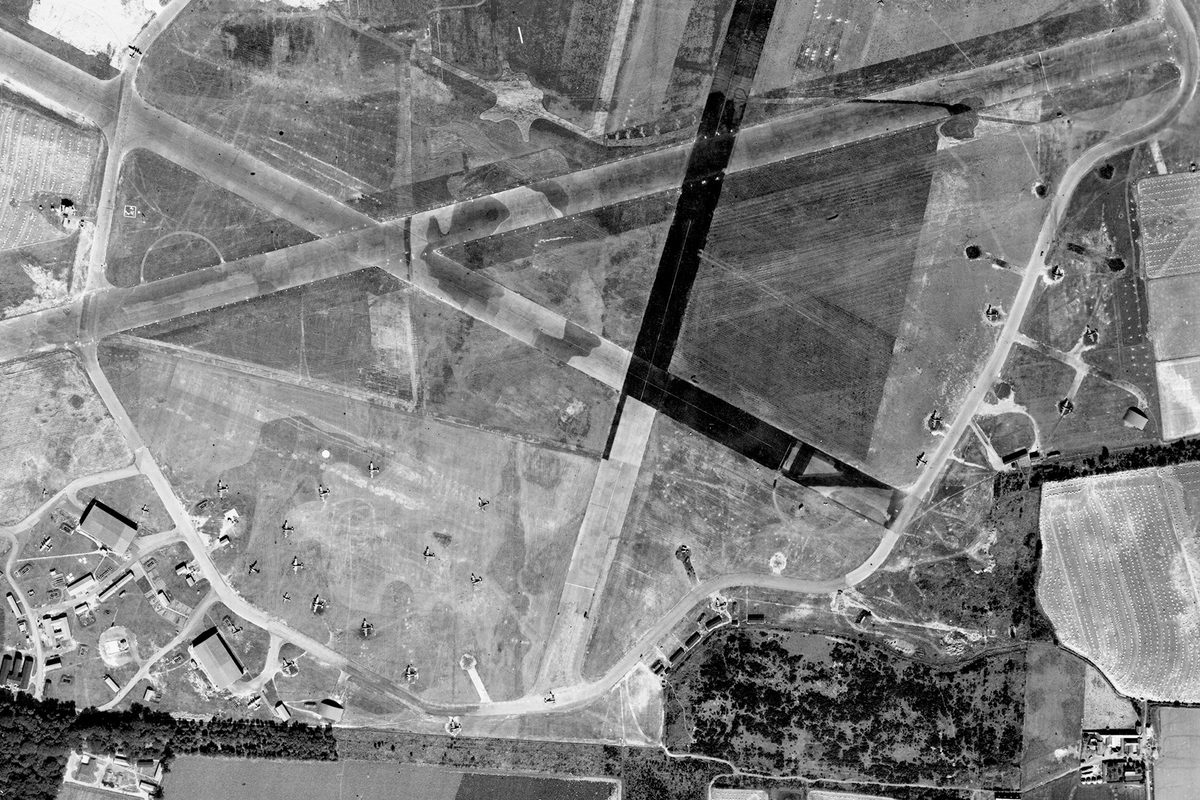
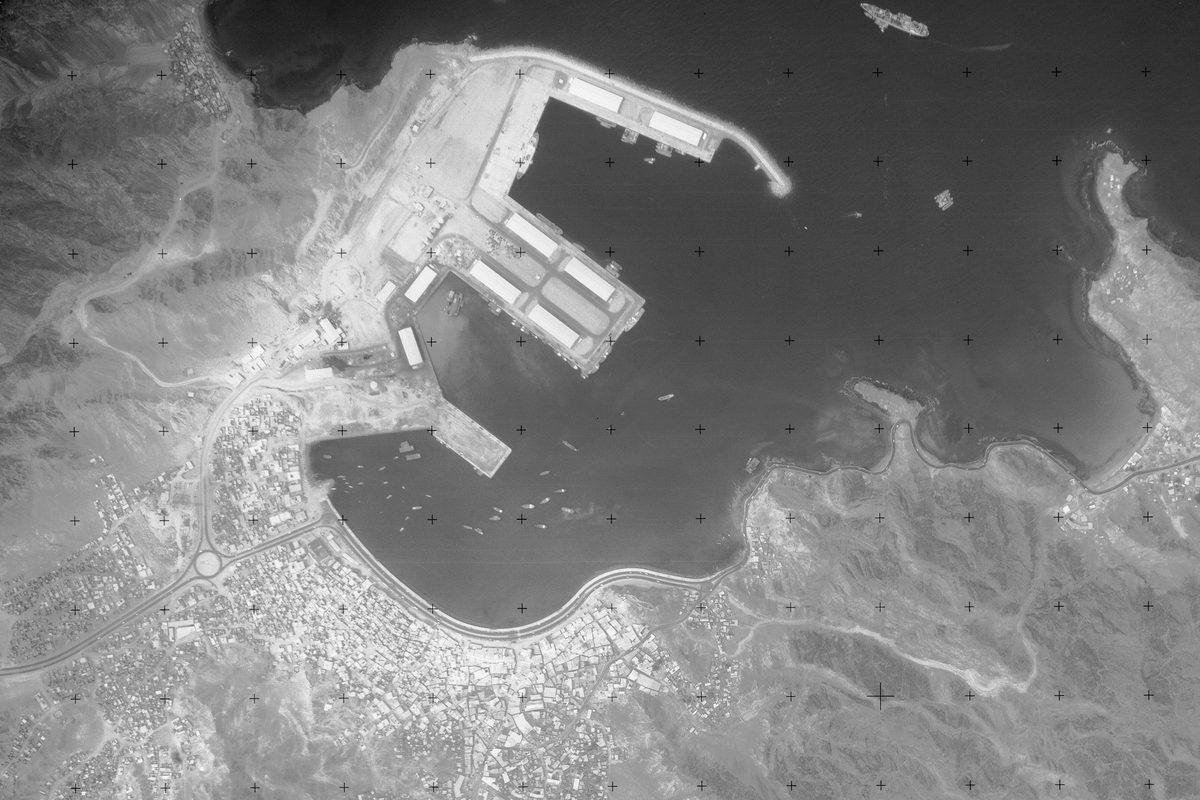
Who doesn’t enjoy staring out of a plane window at the ground below or scrolling around on Google Earth to see what has changed? On a work placement at NCAP I have done just this, virtually travelling from the UK to the Solomon Islands, and many places in between.
WORK PLACEMENT
Digital Media and Information Studies at the University of Glasgow is an interdisciplinary digital humanities degree that explores the creation, use and impact of digital content and information, bringing a human perspective to the issues of the digital age. As part of this degree, there is an option to complete an applied dissertation work placement.
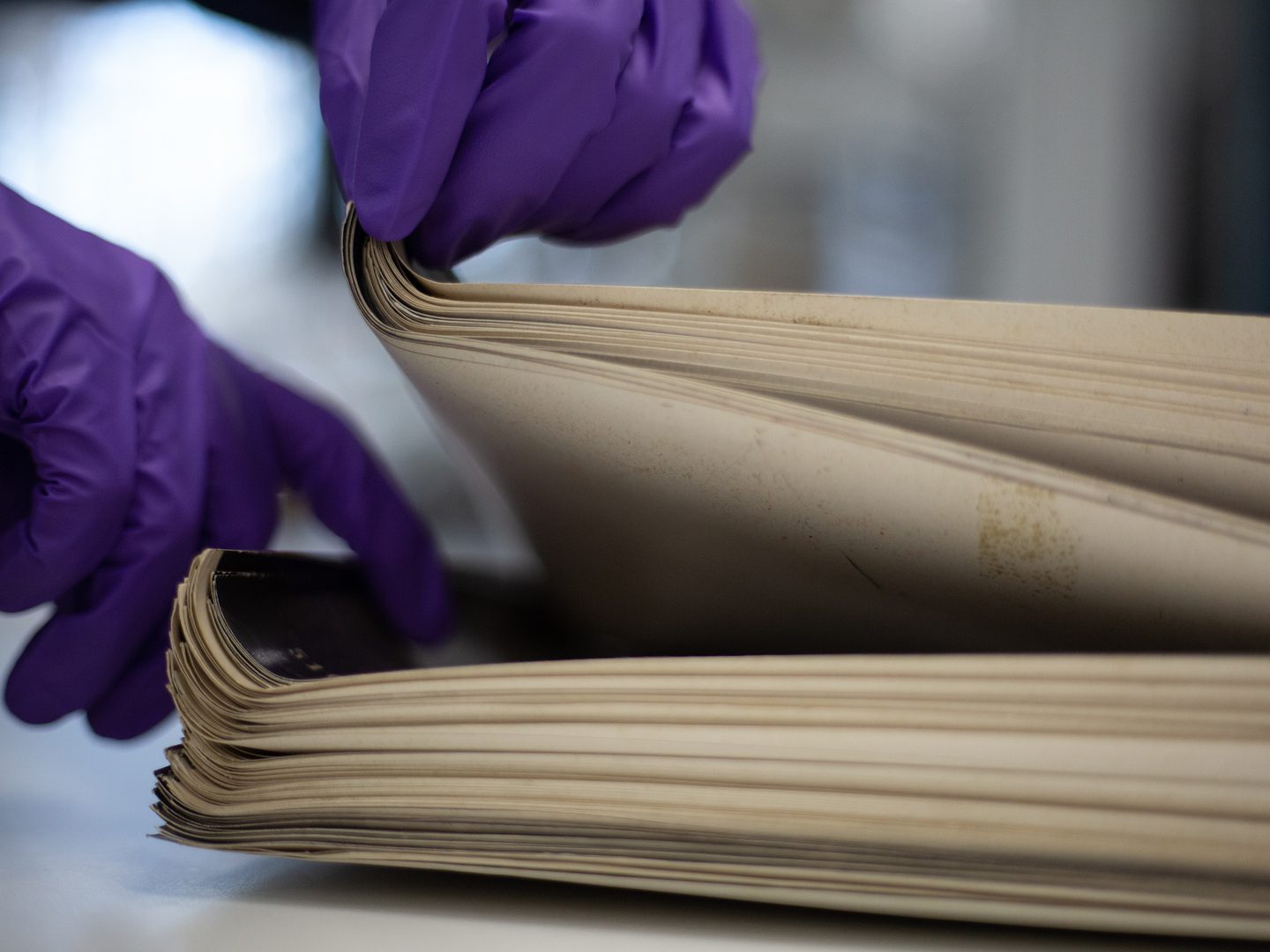
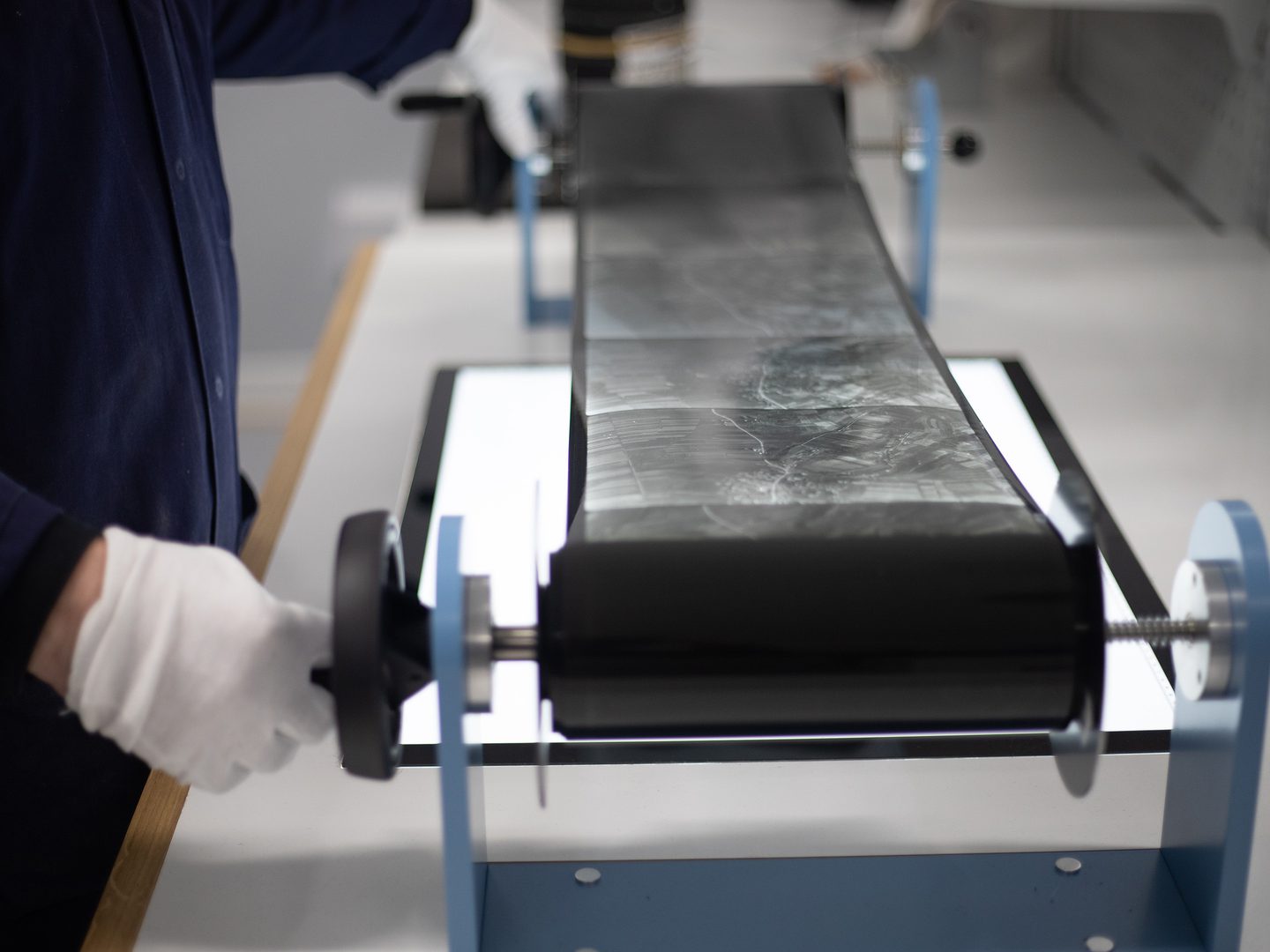
The placement involved working hands-on with analogue media including photographic prints and film.
NCAP has provided the perfect place to convert knowledge learned during my course into experience, as it is where physical film and photographs become digital content and big data, with outputs used to track global environmental change and plan for cultural heritage preservation.
THE PROCESSES
NCAP offered a well-structured placement that followed the full cycle of working with historic aerial imagery, from the preservation and digitisation of print and film through to the final web output. Working with the Collections Care team, I followed procedures to safely handle physical film and print media, ensure items are ready for digitisation and safeguard them for future care.
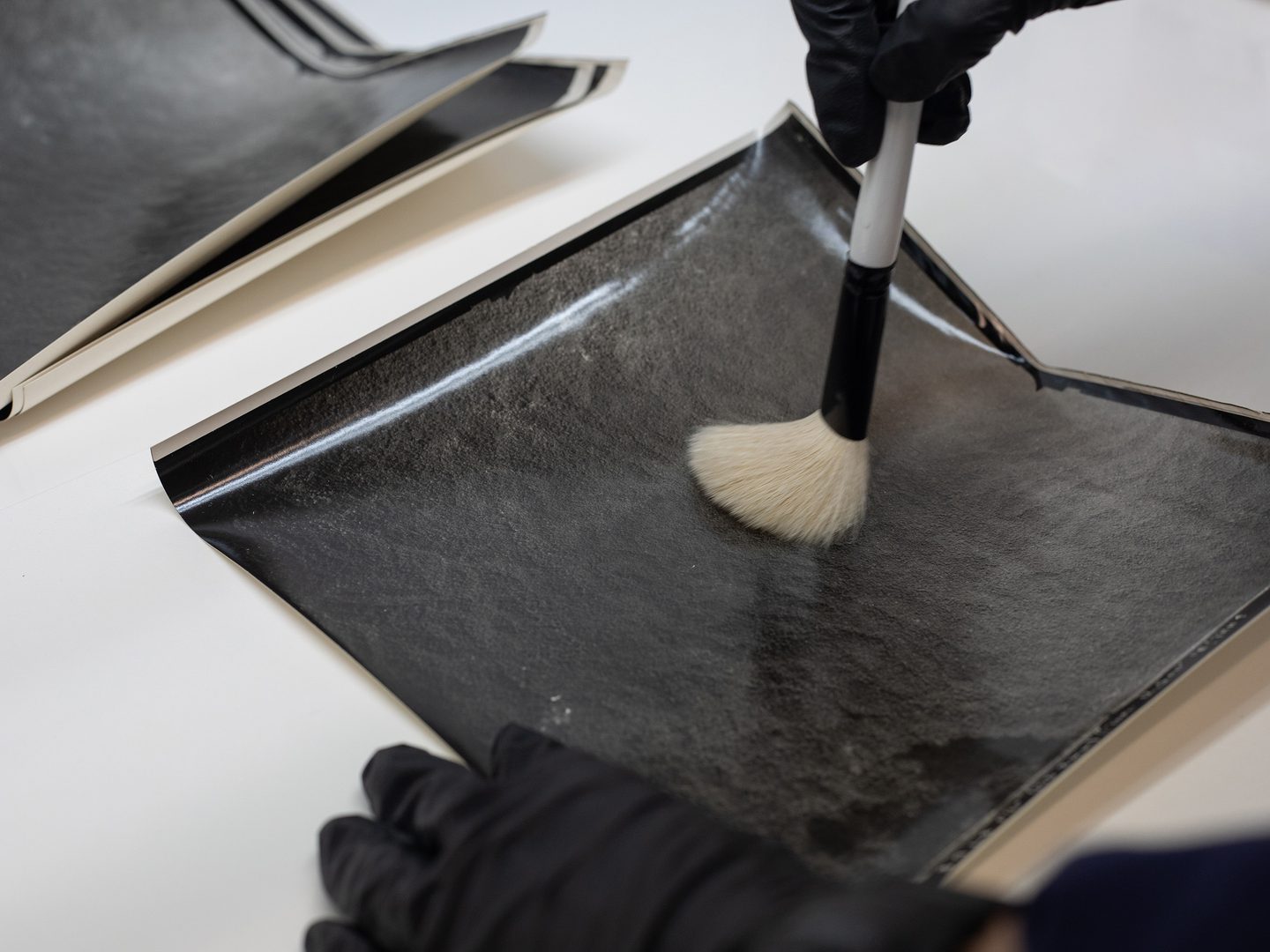
Photographic prints potentially require cleaning, humidifying and pressing before digitisation.
With the Digitisation team I learned how to convert analogue films and prints to digital image data. I experienced the wealth of equipment used at NCAP, from manual print scanners through to cobots, gaining first-hand understanding of the innovative digitisation techniques in use.
Footprinting is quite unique to NCAP and leads directly to the publication of imagery online. It involves matching digitised photographic frames to locations using both the human eye and software – a task that can be a challenge even with existing location data. I also gained an understanding of the collections management standards adhered to at NCAP, as well as the work they undertake with the Edinburgh International Data Facility. This linked directly to my studies regarding cataloguing, big data, data stewardship, and copyright.
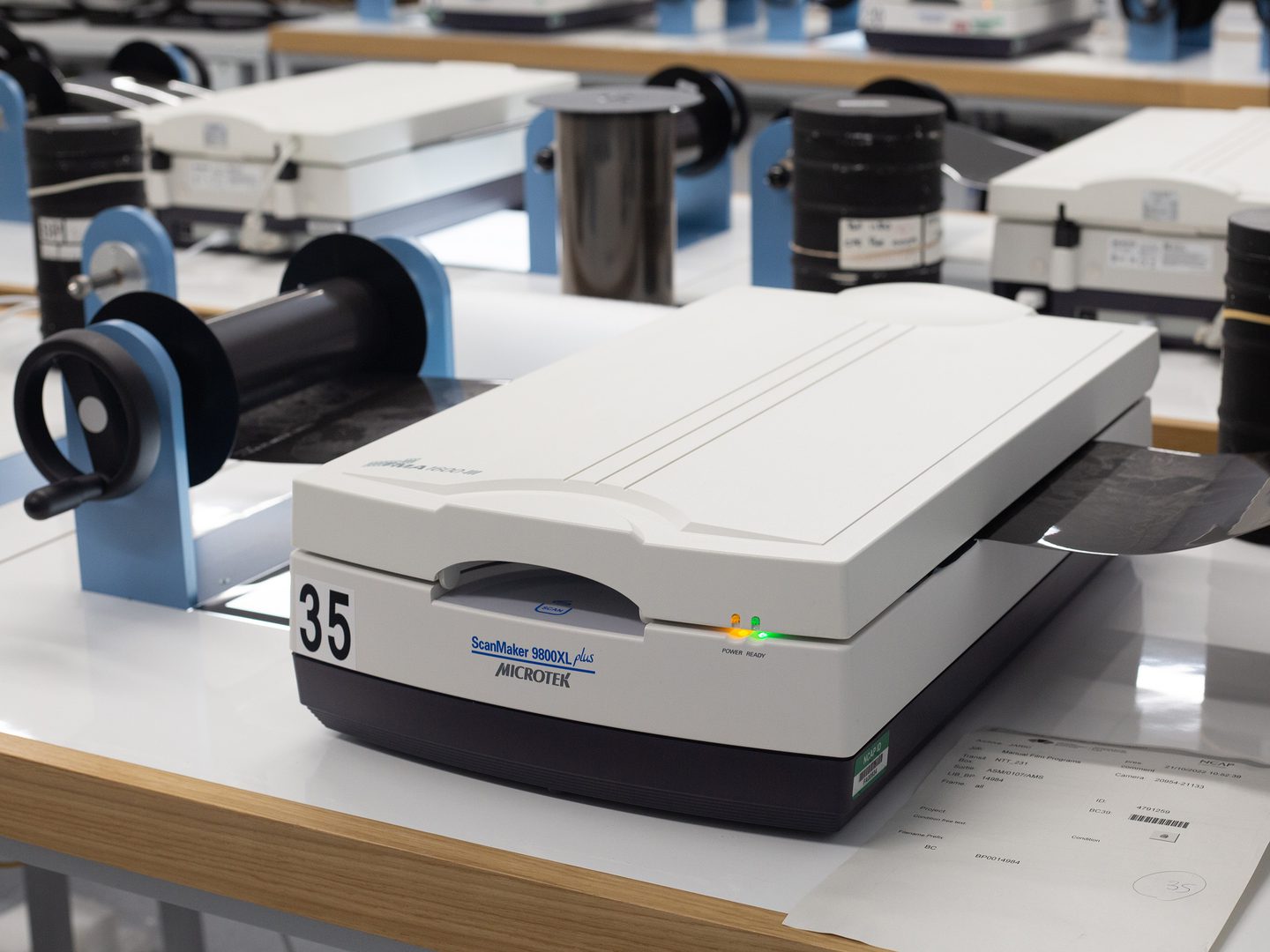
NCAP operates a wide range of manual and automated scanning equipment suitable for all types of aerial imagery.
THE PEOPLE
The NCAP team were inclusive and generous with their time, patiently explaining their roles, processes and quality control measures, as well as the potential consequences of not following these. With backgrounds in photography and heritage collections, and some holding Masters from the University of Glasgow and The University of Edinburgh, the team are knowledgeable, and importantly they demonstrate care and passion for their work. In each department, discussions on themes within digital humanities such as human interpretation, digital tool building, funding, sustainability, AI use, and digitisation vs. disposal linked practical operations and decisions with my studies.
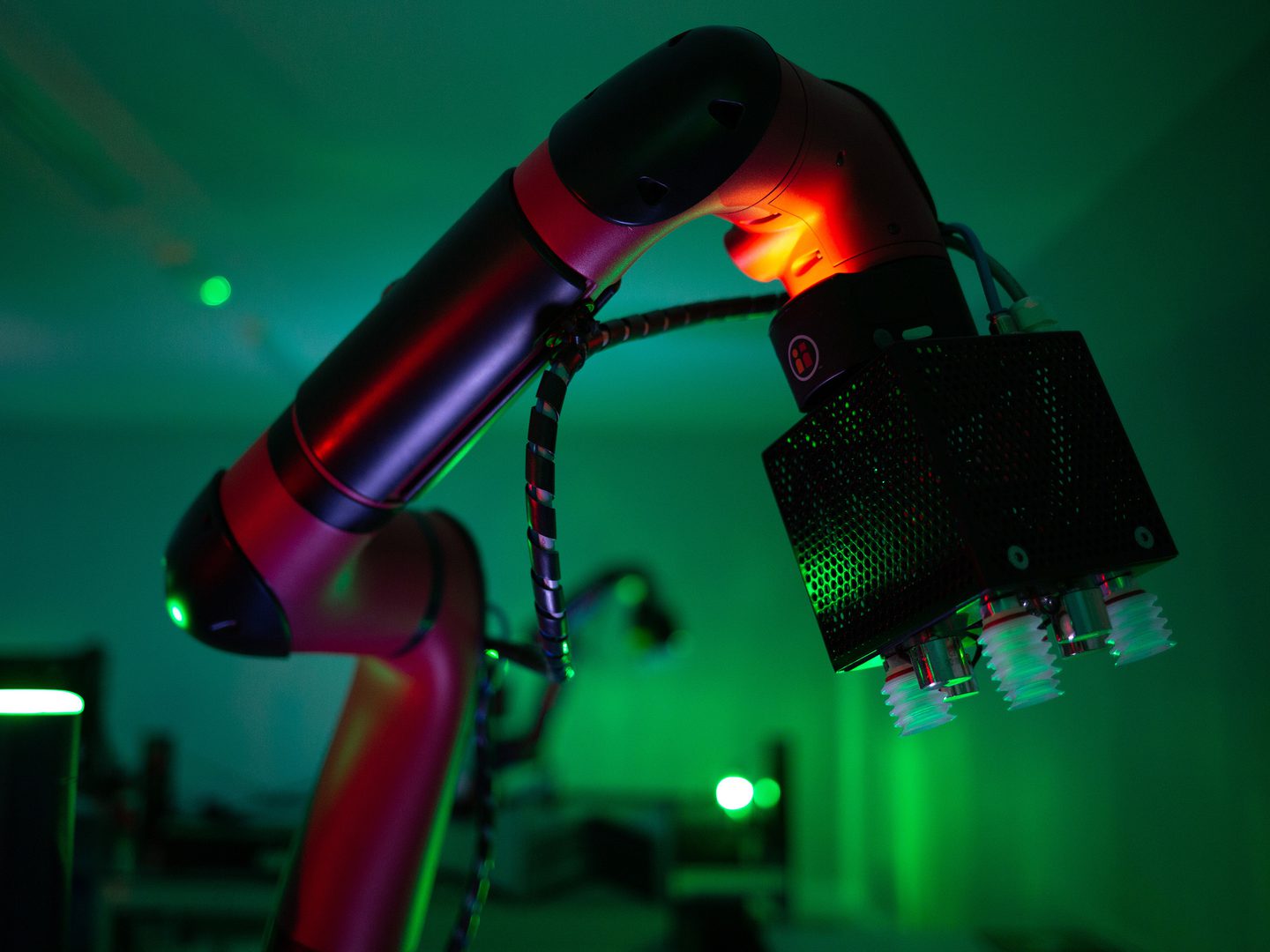
Pioneering automated digitisation using collaborative robots - cobots - ensures the swift and safe scanning of photographic prints at scale.
MY TAKEAWAYS
My time with NCAP has given me everything I sought, from working with imagery, plots, historical data and digital media, to using humidifying cabinets, scanners and cobots, and undertaking geospatial footprinting. Through all of these activities I have had the chance to discover, compare, and sample digital media and information, and explore digital humanities content, tools and methods.
I have developed my graduate attributes, increasing my subject specialism, gaining confidence through the connection of ideas to reality, and reflective learning for my subsequent dissertation paper. Personally, I have enjoyed understanding more about the geography, topography and geology of the world from above, and about the people behind the data, both past and present. I feel fortunate to have experienced a placement within such a unique collection.
Amy-Jo Brown, Undergraduate Student, University of Glasgow