

What is a Cold War Object?
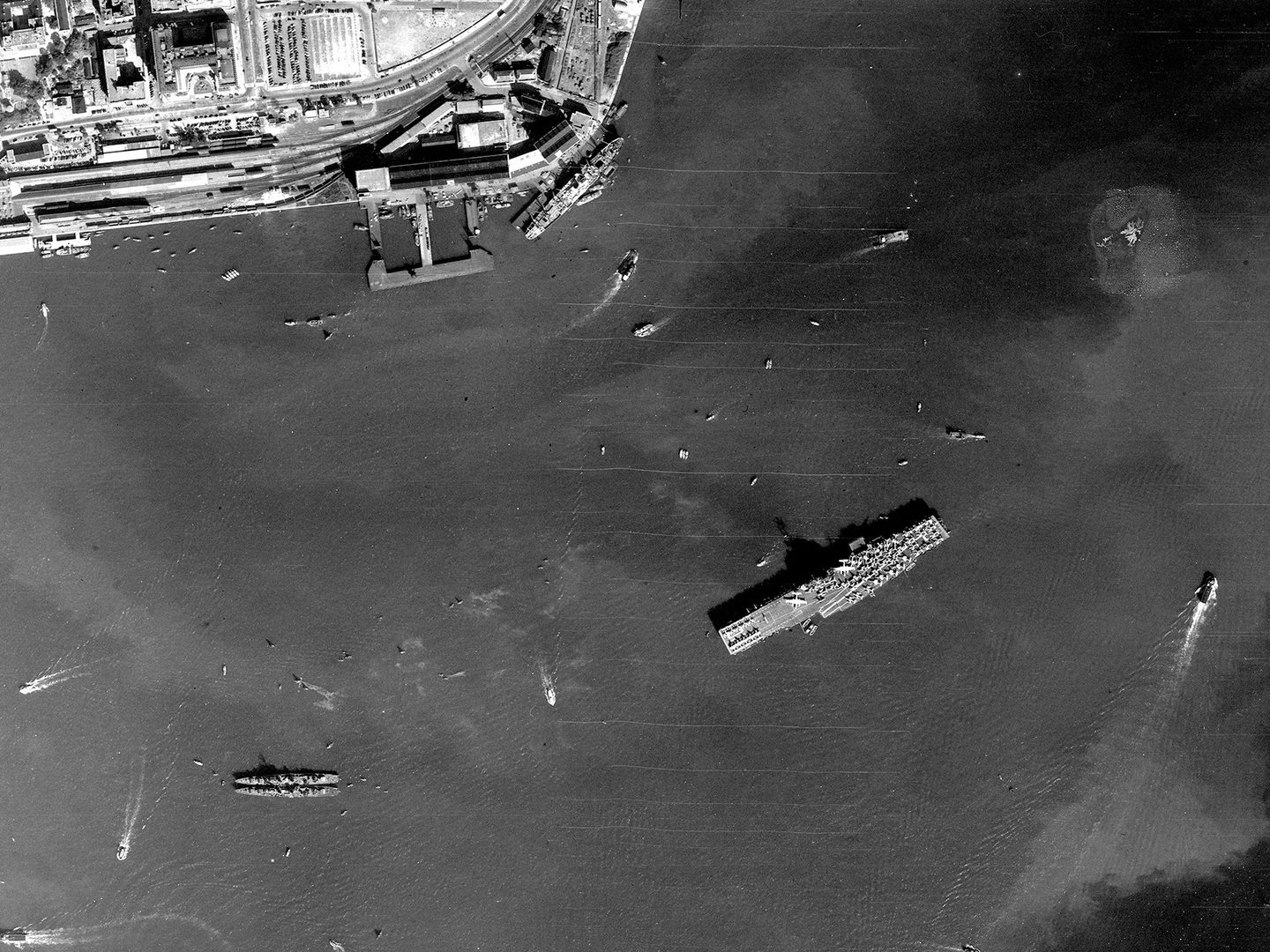
At the end of May, Rachel Nordstrom (NCAP Operations Manager) and Ben Reiss (NCAP Collections Manager) represented the National Collection of Aerial Photography at the What is a Cold War Object? symposium at National Museums Scotland, exploring Cold War collections, their uses and their audiences.
Many objects held by museums and heritage organisations may not have obvious links to the Cold War. Speakers and attendees at the symposium sought to reconsider how heritage collections are defined and contextualised, in order to reveal new Cold War narratives and broaden our understanding of this pivotal period.
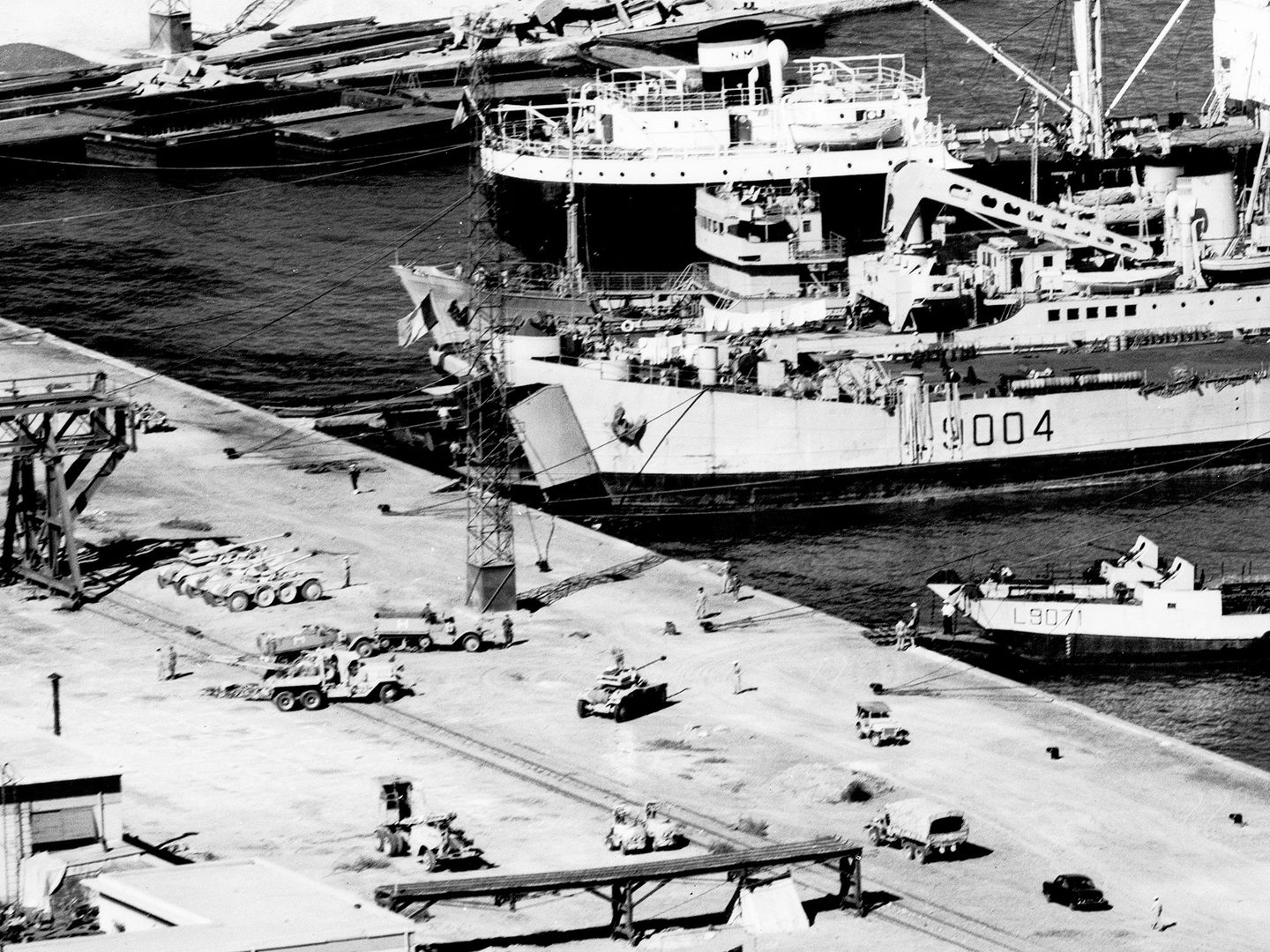
French Panhard EBR armoured reconnaissance vehicles at Port Fuad after the end of Operation MUSKETEER during the Suez Crisis; Collection: JARIC, Sortie: MON/0149, Frame: 0032 (17 November 1956)
The Cold War at NCAP
The Joint Air Reconnaissance Intelligence Centre (JARIC) Collection at the National Collection of Aerial Photography contains millions of images that form a visual record of the Cold War throughout the second half of the twentieth century and a unique record of British Cold War interests and activities – and those of its allies. Alongside this, millions more images from across the NCAP holdings record the world – particularly the United Kingdom – during the Cold War, revealing the physical impact it made on the ground.
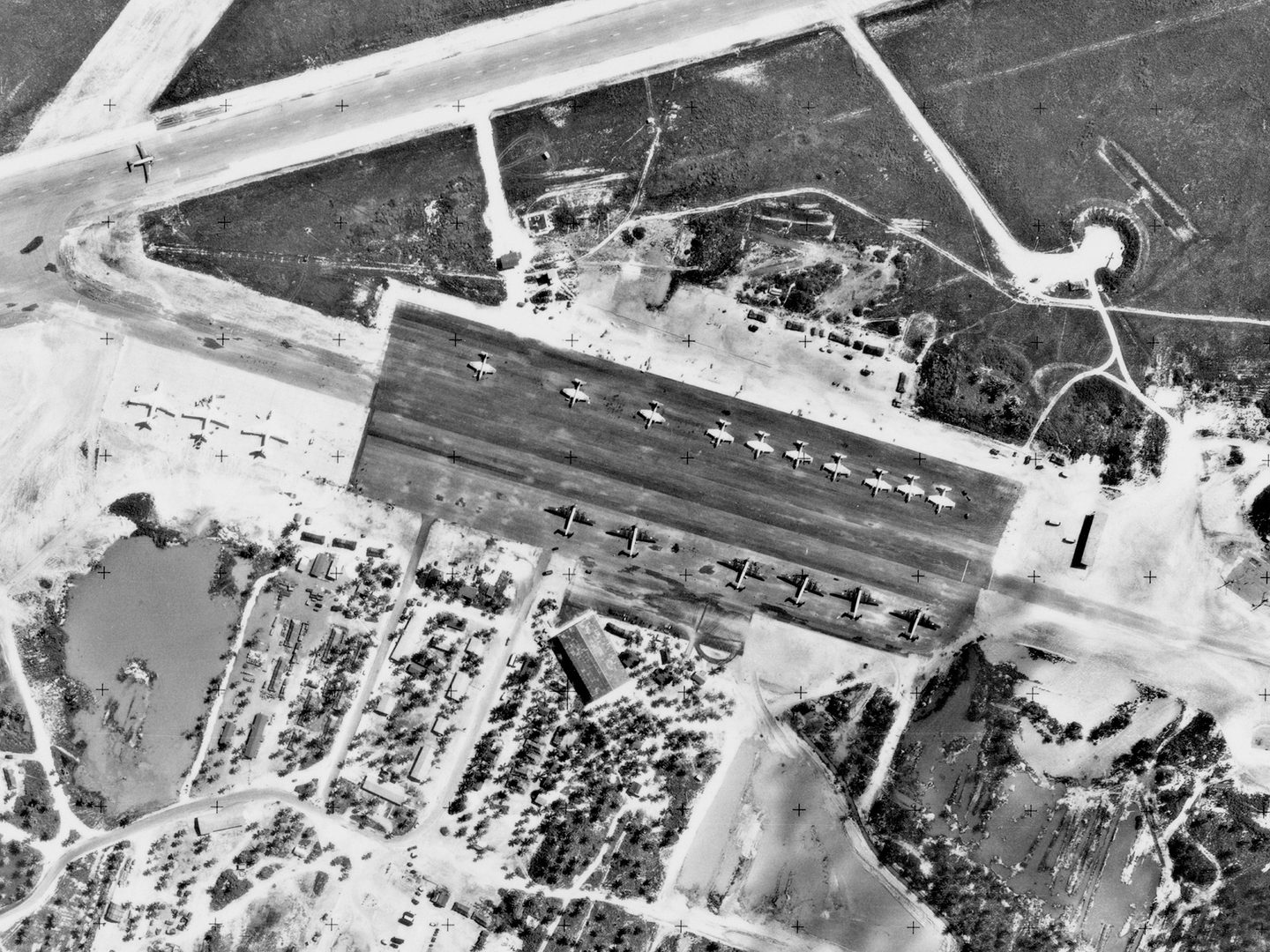
Vickers Valiants, English Electric Canberras and Avro Shackletons on Kiritimati during the Operation GRAPPLE nuclear tests; Collection: DOS, Sortie: 58/RAF/2390, Frame: 0066 (11 April 1958)
Our collaborations with partners such as the Irish Military Archives have further increased the number of Cold War images we make available via our online portal. Altogether, NCAP holds nearly 20 million images that can potentially shed light on the Cold War.
National Library of Scotland Session
On the day, the National Library of Scotland first presented two talks on the theme of Understanding Cold War Activism Through Archives. Ewan Gibbs and Linda Ross of the University of Glasgow presented ‘Activism in the Archives: The Rise of Anti-Nuclear Scotland’, followed by Hannah Grout (SGSAH Collaborative Doctoral Award PhD student, University of Strathclyde, National Library of Scotland, and Glasgow Women’s Library) presenting her talk ‘Scottish Women Waging Peace: Cataloguing Activist Archives at the National Library of Scotland’.
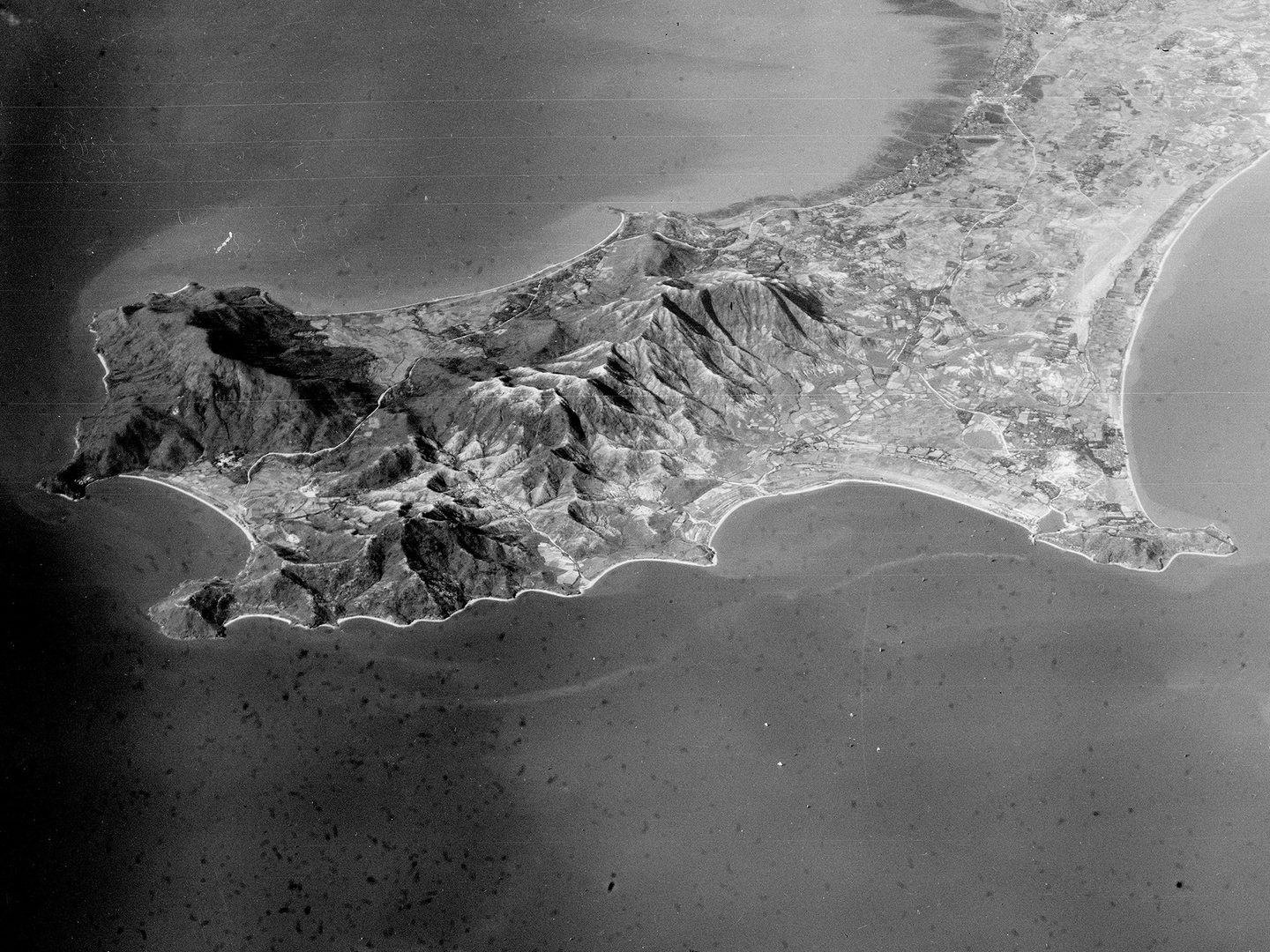
The Nanshan peninsula in the communist People’s Republic of China, photographed covertly from above Hong Kong; Collection: JARIC, Sortie: 81A/RAF/0547, Frame: 0040 (02 November 1954)
National Collection of Aerial Photography Session
Rachel and Ben then introduced the symposium attendees to the breadth and depth of the NCAP Cold War holdings and outlined our ongoing efforts to preserve, digitise and make accessible these millions of aerial reconnaissance images. We provided in-depth introductions to the various Cold War holdings at NCAP, and examined how declassification of imagery has provided a valuable opportunity for Cold War research which has not yet been fully realised.

A Royal Observer Corps underground monitoring post, located at John o' Groats on the north-east coast of Scotland; Collection: SCOT, Sortie: USN/214/206, Frame: 0108 (26 July 1963)
National Museums Scotland Session
Finally, Meredith Greiling, Principal Curator, Technology and Sarah Harper, Assistant Curator, Technology of National Museums Scotland explored how Cold War narratives were identified across diverse collections at NMS and their interpretation in their recent Cold War Scotland exhibition. Gavin Saxby (28 Group Observed Dundee) and Taras Young (author of Nuclear War in the UK) then shared their contrasting approaches to collecting Cold War material and experiences of public engagement.
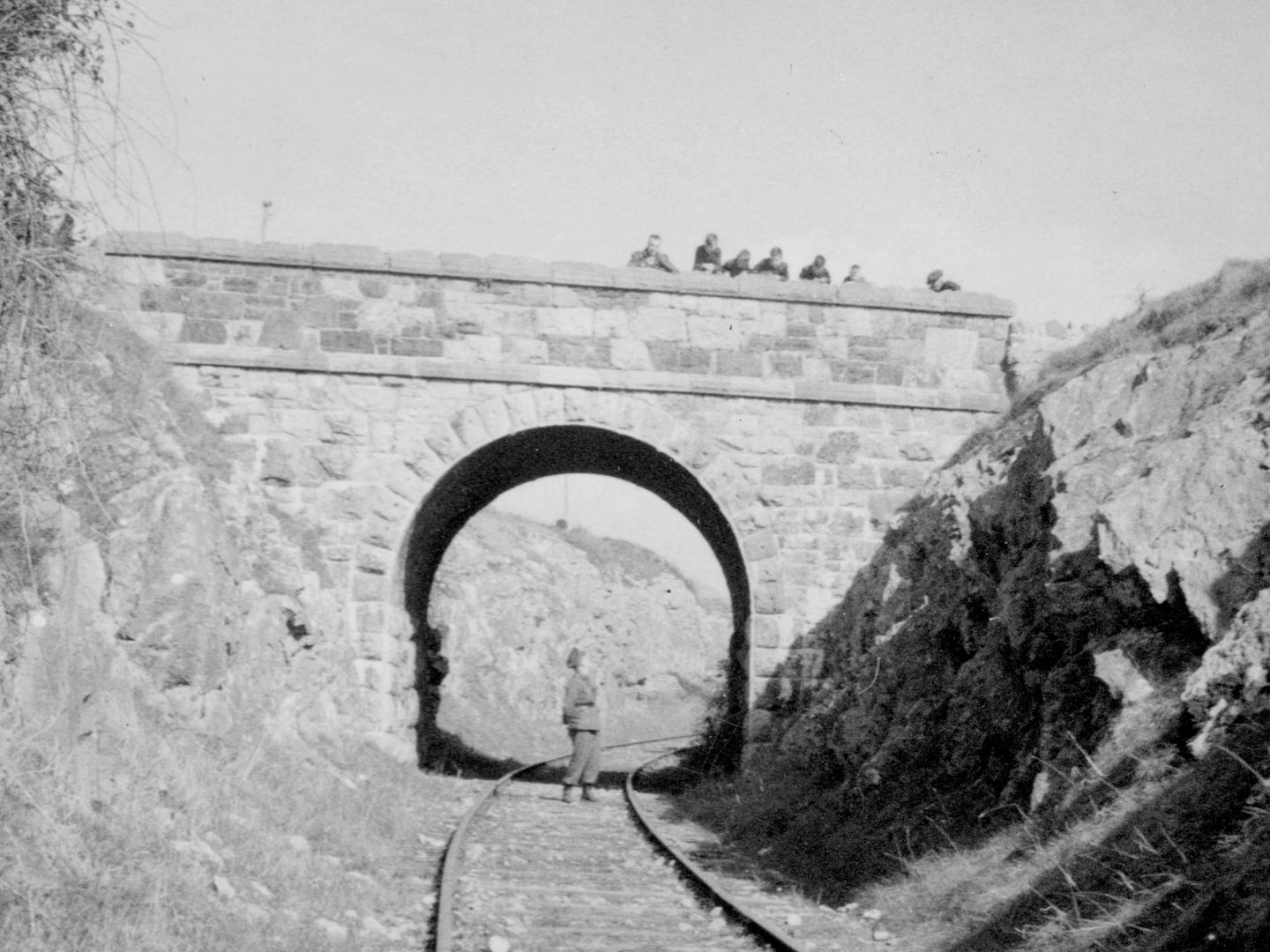
Military personnel undertaking reconnaissance for Operation SANDSTONE, a survey of potential landing grounds on the coast of Ireland; Collection: IEMA, Sortie: AP/CSY10/0031, Frame: 0010P (March 1949)
It was very valuable for NCAP's photographic collections to be set alongside paper archives held by the National Library of Scotland and the physical collections at National Museums Scotland in this context. Inter-disciplinary thinking allows researchers to uncover new stories that remain hidden when each collection is viewed in isolation. Bringing these collections together revealed NCAP to new audiences, generated fascinating discussions and connections, and shed fresh light on the question, what is a Cold War object?
Ben Reiss, NCAP Collections Manager


