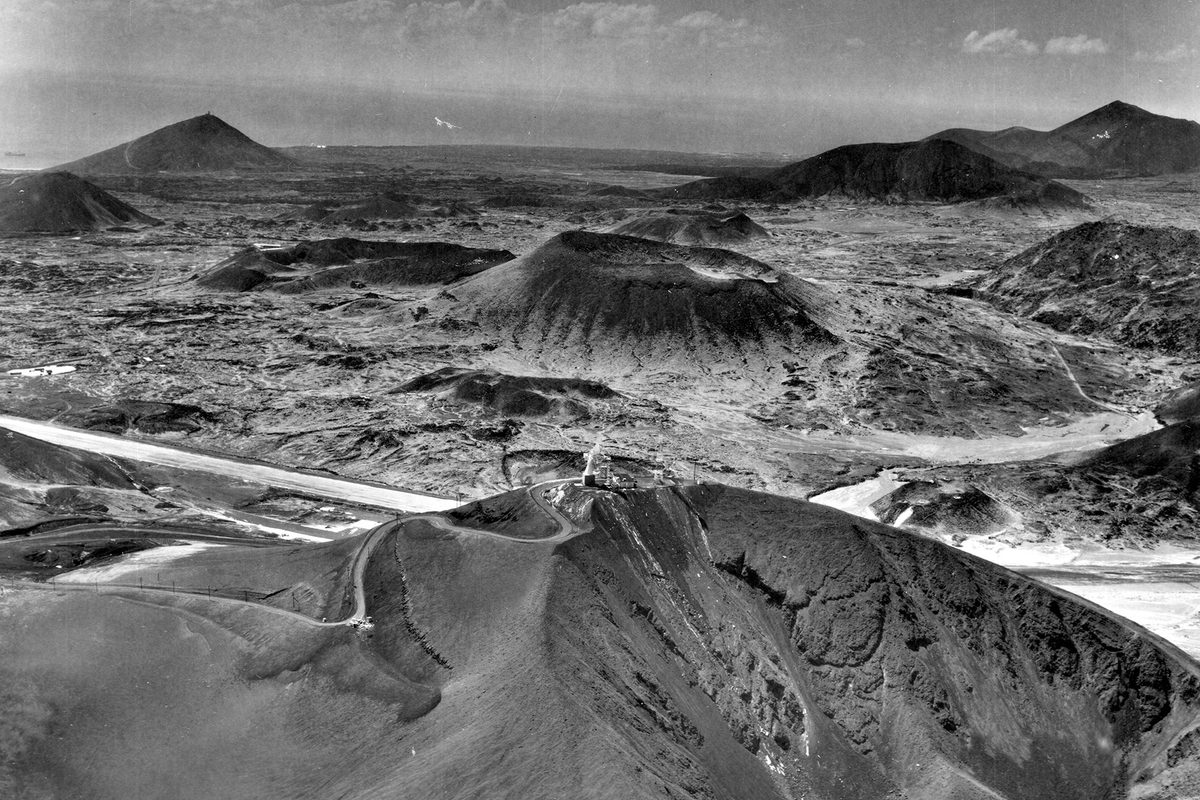
Spitfire Overdue: F/O Mervyn Wheatley and Spitfire PR IB N3069
Spitfire PR IB N3069
Spitfire PR IB N3069 was built as a standard Spitfire I fighter at the Supermarine works in Eastleigh, Southampton. It was delivered to No.6 Maintenance Unit (6MU) on 10 October 1939 where it flew for the first time. Just two days later, along with Spitfire N/3071, it was delivered to Special Flight at Heston, the RAF's first, experimental and highly secret aerial reconnaissance unit.
N3069 was modified as a photographic reconnaissance aircraft at the Royal Aircraft Establishment at Farnborough. All armour plating, the eight .303 Browning machine guns and radio equipment were removed among other modifications, allowing the aircraft to fly higher and faster than most pursuit. Two standard F.24 Williamson vertical cameras with 5" lenses were installed, one in each wing, using the ammunition compartments for the removed machine guns, designating the aircraft as a PR IA variant.
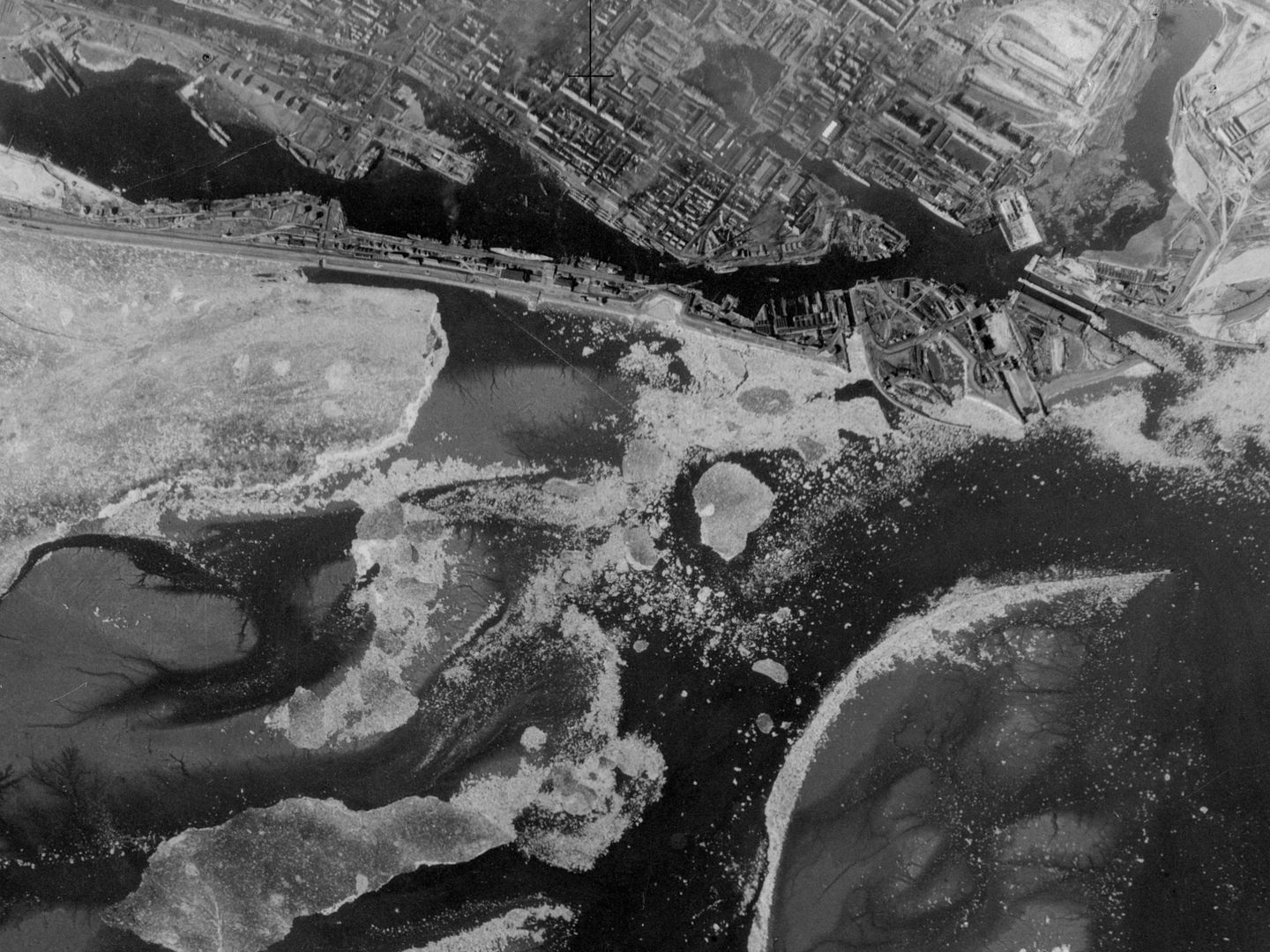
The port of Wilhelmshaven, where the German navy had an extensive base, photographed from 30,000 feet by Spitfire PR IB N3069; Collection: ACIU, Sortie: HNA/0004, Frame: 0028 (02 March 1940)
A special canopy with blisters was installed giving the pilot better rear and downward visibility, and the standard Spitfire camouflage scheme was repainted in Camotint green (described as a pale, duck egg green). After further modifications, including a lens upgrade to 8” and the addition of underwing blisters, it was now designated as a Spitfire PR IB variant. N3069 was the first of only two Spitfires in this configuration, known as 'The Originals'.
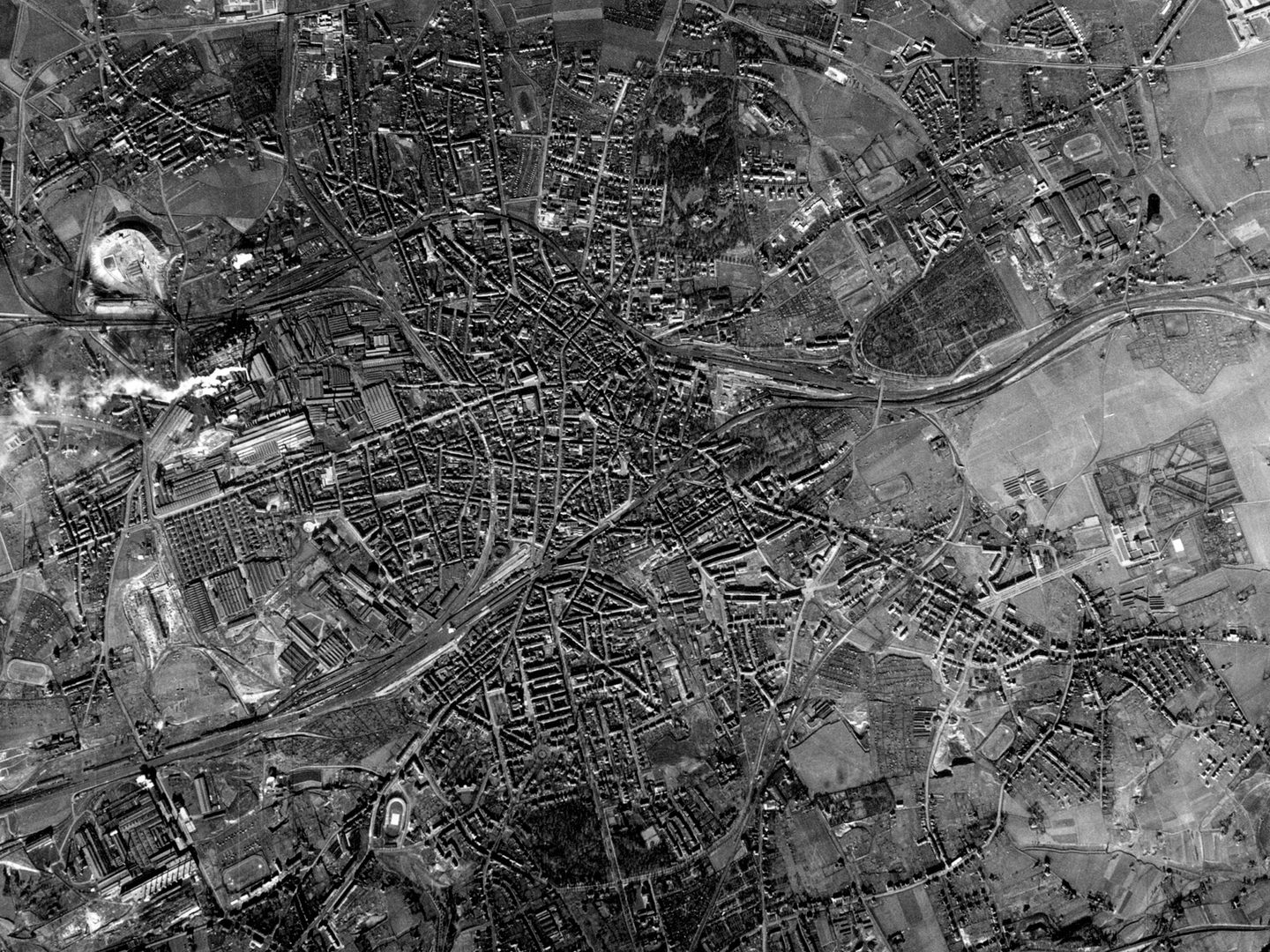
The industrial city of Bochum in the Ruhr was heavily bombed from 1943, three years after it was photographed by Spitfire PR IB N3069; Collection: ACIU, Sortie: HAA/0010, Frame: 0031 (02 March 1940)
The Pilots
Spitfire PR IB N3069 was put through its operational paces over the European continent by four pilots. Three of these were flying Officer Maurice 'Shorty' Longbottom, Canadian Flying Officer Robert 'Bob' Niven and Flight Lieutenant Eric LeMesurier. During January, February and March 1940, N3069 carried out nine sorties over the Low Countries and Germany. Longbottom and Niven were part of the founding group of the RAF’s photographic reconnaissance operations using Spitfires as a PR platform.

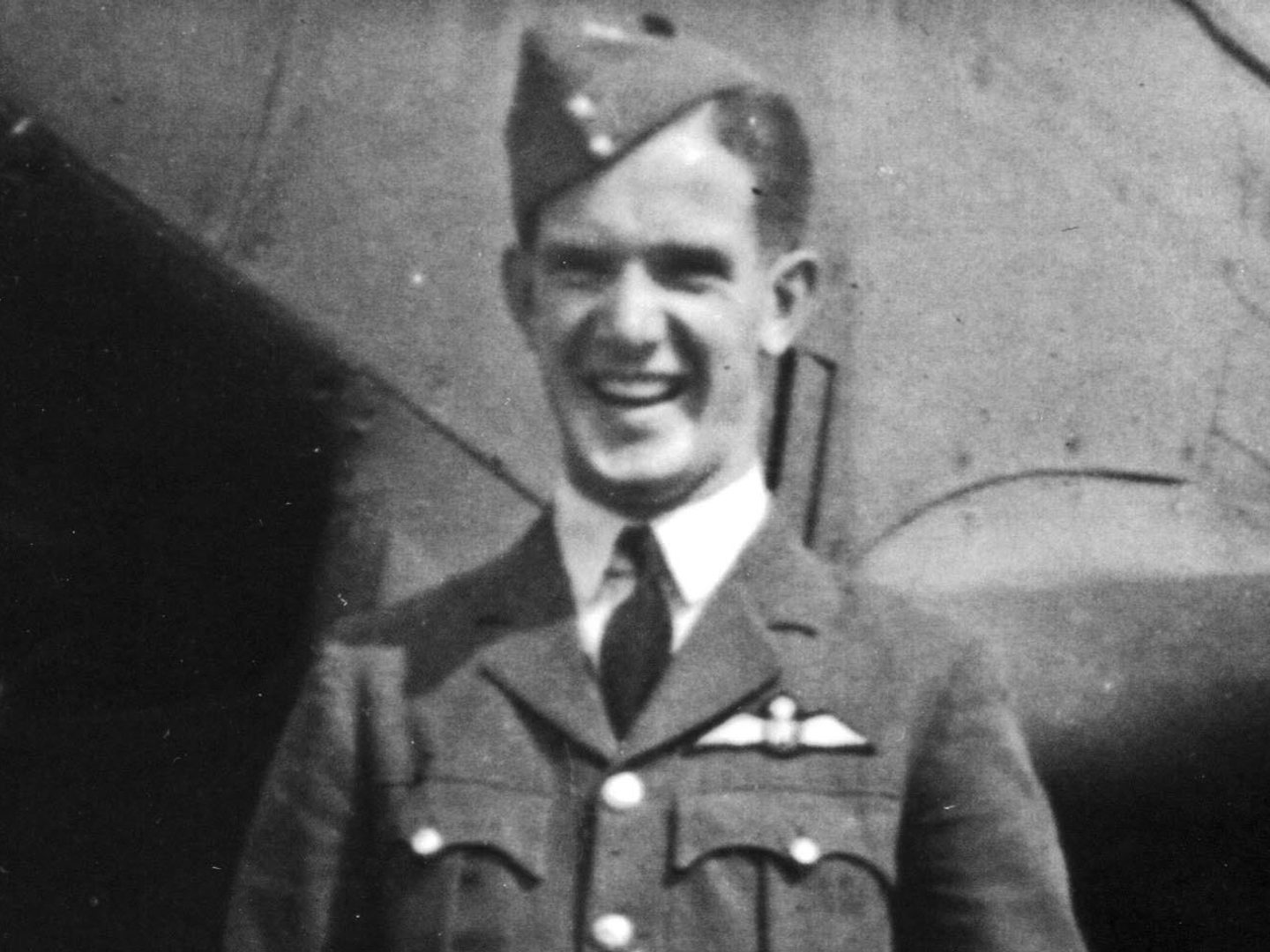
Flying Officer Claude Mervyn Wheatley; image courtesy of Sander Woonings
The fourth pilot, Flying Officer Claude Mervyn Wheatley, was posted to Special Flight – by this point renamed the Photographic Development Unit (PDU) – on 24 February 1940 after flying operations in France with No. 105 Squadron (RAF). On 22 March, he carried out a photographic reconnaissance sortie for further coverage of the German Ruhr area flying Spitfire PR IB N3069.

The airfield at Bönninghardt Süd, from where Leutnant Harald Jung took off to intercept F/O Wheatley in Spitfire PR IB N3069; Collection: NARA, Sortie: US7/0075/D, Frame: 3016 (23 March 1945)
The Final Flight
After taking off from Heston Aerodrome and a refuelling stop at RAF Stradishall, F/O Wheatley set course towards Germany due east, passing through Dutch airspace where he was detected by German border patrols and a radar station deployed near the Dutch-German border. Two Messerschmitt Bf 109E fighters of the Luftwaffe fighter wing JG 20 from the airfield at Bönninghardt Süd were scrambled to intercept F/O Wheatley.

Leutnant Harald Jung; image courtesy of Sander Woonings
It was Leutnant Harald Jung in Messerschmitt Bf 109E-1, W.Nr. (serial number) 3493, 'White 2' who managed with great difficulty to get within firing range at an altitude of 34,000 feet. He opened fire and saw hits striking the Spitfire. F/O Wheatley carried out evasive manoeuvres but wasn’t able to shake off Leutnant Jung and bailed out at approximately 15,000 feet. Unfortunately, Mervyn Wheatley hit the tailplane of his Spitfire and, struck unconscious, was not able to deploy his parachute, falling to his death.

The crashed remains of Spitfire PR IB N3069 near the small Dutch village of Herwen, close to the Dutch-German border; image courtesy of Sander Woonings
Spitfire PR IB N3069 crashed close to the small Dutch village of Herwen near the Dutch-German border, about 15 miles east of Arnhem in the Netherlands. F/O Wheatley was found dead just across the German side of the border close to the village of Düffelward, about 5 miles north of the German town of Kleve. He was buried with full military honours by German troops. He now rests at the Reichswald Forest War Cemetery near Kleve. He was just 26 years old.
Legacy
Sadly, none of the four men who piloted N3069 would survive the war. F/O Wheatley was the PDU’s very first operational casualty, as well as the first pilot killed in action over the Netherlands and the first Spitfire pilot to be lost in combat in a Spitfire. Wing Commander Niven went missing in action at the end of May 1942, Wing Commander LeMesurier was killed in a flying accident in December 1943 and Squadron Leader Longbottom crashed while testing a Vickers Warwick from Brooklands Airfield in January 1945.

The original grave of Flying Officer Claude Mervyn Wheatley; image courtesy of Sander Woonings
F/O Mervyn Wheatley’s legacy and that of the early stages of the RAF Spitfire PR branch is remembered by the Dutch project Spitfire PR IB N3069 – Remembering F/O Mervyn Wheatley. The Project has established a monument at the crash site of N3069, produced the award-winning documentary Spitfire Overdue (2023) and created a permanent exhibit where a static replica of N3069 is being built at full scale.
Sander Woonings, Spitfire PR IB N3069 Project Lead, Curator and Historian