

Pre-Digitisation Preservation
Historic aerial photographs are archival records that have often survived for decades before reaching the digitisation stage. The condition of the original film or print can have a significant influence on the quality of the final digital image.
Related reading
Before photographs are scanned, NCAP undertakes a range of preservation activities designed to stabilise, protect and prepare original materials for digitisation. These activities help ensure the safest possible handling of fragile collections while supporting the creation of the highest-quality digital image achievable from the source material.
Why Preservation Matters
Aerial photographs can be affected by age, previous storage conditions and historic handling. Over time, films and prints may accumulate dust, surface contamination, mould growth, physical damage or other forms of deterioration.
Without appropriate preparation, these issues can affect both the long-term survival of the original photograph and the quality of the resulting digital image.
Preparing Images for Digitisation
Before scanning, photographs are assessed and prepared to ensure they can be safely digitised and accurately represented.
Preparation activities may include:
- Removing dust and loose surface contamination
- Assessing and treating mould where required
- Flattening curled or distorted photographic prints
- Removing historic tape or unsuitable repairs
- Stabilising tears and damaged edges
- Preparing fragile items for safe handling and scanning
These steps help maximise image clarity while reducing the risk of damage during the digitisation process.
Understanding the Limits of Preservation
While preservation activities can greatly improve the condition of a photograph for digitisation and the quality of the final scan, they cannot reverse every form of deterioration.
Some historic images may contain:
- Film fading and chemical deterioration
- Scratches and abrasions
- Staining and discolouration
- Missing sections of film or print
- Exposure limitations from the original photography
- Processing defects present when the photograph was first created
In these cases, some evidence of age or damage may still be visible within the final digital image.
Authentic Digital Representation
NCAP's aim is to create the most accurate digital representation of the original photograph possible. The digitisation process is intended to faithfully capture the collections object as it survives today rather than artificially recreate detail that is no longer present.
As a result, customers may occasionally see signs of wear, ageing or historic use within digitised imagery. These characteristics often form part of the photograph's history and should not be viewed as faults introduced during scanning.
Find Out More
Learn more about how NCAP preserves and manages its collections through our Collections Care and Preservation activities.
IN THIS SECTION

Choosing the Right Resolution and Format
Understand how image resolution and file formats affect image delivery, file size and usability. This guide explains the options available and helps you choose the most suitable product for your project needs.

Image Quality Factors
Explore the factors that influence image quality, from the condition of the original photograph to scanning methods and image processing. Learn why some images contain more visible detail than others.

Scale and Flying Height
Discover how aircraft flying height and photograph scale influence the level of detail visible within an image. Understanding these relationships will help you assess what information can realistically be identified and interpreted.
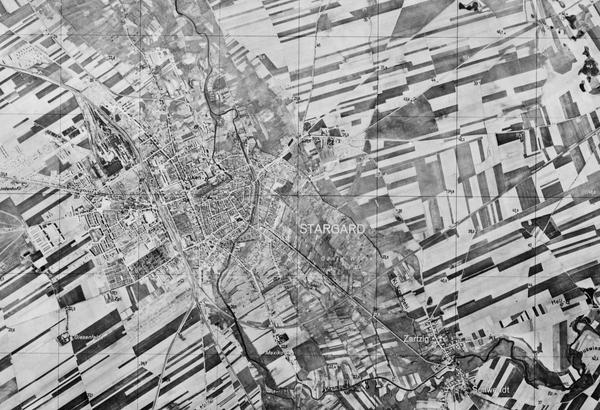
Second World War Imagery
Second World War aerial photography remains one of NCAP's most heavily used collections. Explore its unique characteristics, limitations and strengths to better understand image quality and set realistic expectations for available detail.

Understanding Collection Coverage
Learn why aerial photography coverage varies between locations, periods and collections, and how this can influence the imagery available for your project.